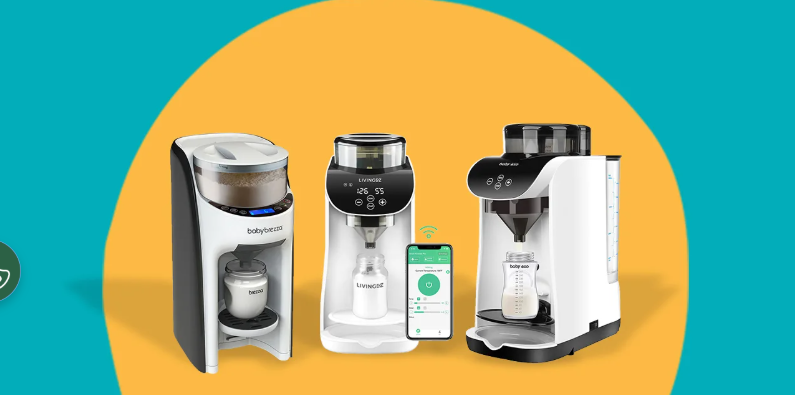
When you hear the phrase digital baby formula dispenser, you might think of something complex or high‑tech. But in reality, it can be one of the simplest tools that make feeding time better.
As a young parent, you want tools that save time, reduce stress, and help you feel confident with every feed. That’s exactly what we’ll explore here.
In this guide, I’m breaking down the real differences between manual and digital formula dispensers.
I’ll show you what’s good, what’s not so good, and which models are worth your attention. We all know how busy life with a baby can be. You don’t have time to sort through a ton of products that don’t deliver. So let’s make this clear, honest, and practical.
By the end, you’ll know which type of dispenser matches your lifestyle and needs. Whether you’re balancing work, errands, sleep deprivation, or a partner who also wants to help, you’ll be equipped to make a strong choice. We’ll look at pros and cons, real‑world performance, and important features that matter most to parents.
Manual Baby Formula Dispensers
Manual formula dispensers are basic, simple to use, and don’t rely on power. They are a common choice for many parents. They don’t require batteries, electricity, or apps. They are also lighter and often less expensive than digital options.
However, they do require more effort. You have to measure each serving yourself. You have to pour the powder into a bottle manually.
For some parents, that can be an extra small task. For others, it can feel like a big deal when you’re dealing with a crying baby at 2 a.m.
Below are three popular manual dispensers. I’ll break down how they work, what they do well, and where they fall short. You’ll get a clear picture so you can decide whether one of these is right for you.
1. Tommee Tippee Perfect Prep Formula Dispenser (Manual)
The Tommee Tippee Perfect Prep Manual Dispenser is a well‑known choice. Many parents have used it and still recommend it.
The design is simple. You fill the compartments with formula powder before a feed. When it’s time, you release the powder into the bottle.
You can use it day or night. It fits easily in a diaper bag. It is also sturdy. The plastic feels solid and durable. It doesn’t leak powder when you carry it around. That’s one of its strengths.
Pros
- Easy to fill and use.
- Compact and travel‑friendly.
- Durable build quality.
- Doesn’t rely on electricity or batteries.
Despite these positives, there are downsides. The biggest is the measuring step. You still have to be exact with the amount of powder. There’s no automatic measurement. When you’re half asleep, it’s easy to make a mistake. You have to rely on your own precision.
Another con is cleanup. The container can hold residue powder. That means you’ll want to wash it after most uses. It isn’t a big chore, but it’s another step at feeding time.
Overall, this model works best if you want something reliable and simple. It doesn’t provide automation, but it does provide consistency and portability.
2. OXO Tot Formula Upright Dispenser
The OXO Tot Formula Upright Dispenser looks a bit different. It’s taller than some other manual models. It stands upright and holds more servings. You can store up to three separate portions in its chambers.
The upright design makes it easy to pour into a bottle. You simply twist a dial. The powder comes out without fuss. You don’t have to open multiple lids or guess where the powder is.
Pros
- Holds multiple servings at once.
- Easy twist‑to‑dispense action.
- Stable upright design.
- Smooth powder flow with minimal clumping.
Still, there are things you should know. The larger size is great for home, but not ideal for small diaper bags. It’s bulkier than other manual designs. You might skip it when you’re out and about.
Another issue is cleaning. While it’s easy to pour, the upright shape can trap powder in the corners and seams. That means more careful washing.
For parents who prepare bottles at home, this is a solid choice. It’s efficient and simple. Just be mindful if you need something ultra‑compact for travel or quick outings.
Related Read: The Best Baby Formula Brands In USA
3. Munchkin Formula Dispenser & Storage
The Munchkin Formula Dispenser & Storage is designed for versatility. It allows you to store individual servings in stackable compartments. You can stack them for three full feeds. Or you can use just one if you don’t need more.
The stackable features are great. You can prepare servings for a few hours or for a full day. At feed time, you twist and pour directly into the bottle. It feels intuitive and straightforward.
Pros
- Stackable servings for flexible use.
- Affordable price point.
- Simple twist-release system.
- Good for travel and short trips.
However, the stackable design has trade‑offs. When it’s fully loaded, it becomes a little awkward to hold with one hand. That matters if you’re trying to calm your baby at the same time.
Another con is that the lids can sometimes be sticky. If powder builds up on the edges, you need to clean more often. That adds a small maintenance step you might not want in the middle of the night.
This model works well if you value flexibility and affordability. It’s not perfect, but it’s reliable for most everyday feeding needs.
Manual Formula Dispenser Summary
Manual dispensers are simple. They don’t require power. They are usually less expensive. They are lightweight and portable. They work well if you don’t mind measuring and pouring yourself. You also don’t need extra buttons, screens, or tech features.
Manual models like the Tommee Tippee, OXO Tot, and Munchkin are all reliable. None is perfect. Each has strengths that fit certain lifestyles. So think about how, where, and when you feed your baby.
That will guide your choice.
Related Read: 15 Smart Baby Gadgets For Working Moms
Digital Baby Formula Dispensers
Now let’s talk about digital options. These are designed to take more of the work off your plate. They measure the formula automatically. Some even integrate with warm water, dispense exact portions, and connect to apps.
Digital baby formula dispensers aim to reduce guesswork. When you’re tired or busy, that precision matters.
They also help keep formula fresh and measured correctly every time. But they are not perfect. They cost more. They need power or batteries. They can also be more complex to clean.
Below are three digital dispenser models with honest reviews. For each one, I’ll break down how they perform in real life, what parents like most, and what you should be cautious about.
Top Rated Digital Baby Formula Dispenser Reviews
1. Baby’s Brew Smart Formula Dispenser
The Baby’s Brew Smart Formula Dispenser is often promoted as a high‑tech solution for feeding. You fill its internal chamber with formula powder. It automatically measures each serving.
It then mixes it with the correct amount of water.
The idea is simple, powerful, and can save time. For parents who want consistency and speed, this is a strong choice.
Pros
- Automatic measuring.
- Built‑in water blending.
- Consistent results every time.
- Saves effort when you’re tired.
Despite these benefits, there are some real drawbacks. The machine is larger. It takes up more counter space than manual options. If you have limited room at home, this is something to consider.
Another issue is power. It needs electricity or charged batteries. If there’s an outage or batteries die, you lose the automation. That means you still need a manual backup.
Cleaning is also more involved. There are internal parts that get wet, and powdered formula can stick to them. You’ll need to wash it carefully after most uses. That’s more effort than a simple twist‑style manual dispenser.
Still, if you want fewer mistakes and hands‑off serving, this one delivers. It’s best suited for home feeding rather than travel.
2. SmartBlend Pro Formula Maker
The SmartBlend Pro Formula Maker is a sleek digital device. It promises quick, accurate preparation. You choose the amount you want. Then it delivers premixed formula directly into the bottle.
The digital controls are straightforward. You can set the ounces, view measurements on the screen, and get reliable results.
Many parents find this helpful when they are exhausted. The last thing anyone needs is math in the middle of the night.
Pros
- Precise control over portions.
- Easy digital interface.
- Fast delivery of formula.
- Reduces manual mixing mistakes.
But there’s a catch. This device is more expensive. For families on a tight budget, it may feel like a luxury rather than a necessity. Not all parents will want to pay more for automation.
The cleaning process also takes time. You have to disassemble parts to wash them properly. That’s fine during the day, but it can feel like a chore when you’re sleepy.
The SmartBlend Pro is excellent if you want accuracy and convenience. It works well at home. It’s less ideal if you travel often or need something lightweight.
Related Read: 13 Healthy Meal Prep Hacks For Working Moms
3. FeedEase Digital Formula Dispenser
The FeedEase Digital Formula Dispenser is a newer option with smart features. It allows you to program multiple feeding times. It will then dispense the formula automatically at scheduled intervals.
This can be helpful for parents who follow a strict feeding schedule. It may also help partners who assist with night feeds. You don’t have to measure anything manually at every single feed.
Pros
- Programmable feeding schedule.
- Automatic portion control.
- Good for routine‑based feeding.
- Less manual involvement overall.
There are a few cons. First, it’s one of the larger dispensers. It takes up a noticeable amount of space on a shelf or counter. For small kitchens or nurseries, that could matter.
Second, setup takes a few minutes. You have to enter your baby’s feeding preferences and schedule. That’s fine once, but it’s another step before you start using it.
Third, like other digital dispensers, it needs power. If you lose electricity, you lose functionality. That matters if you live in an area with frequent outages.
Still, if you value planning and structure, this model offers useful automation. It’s ideal for parents who like tech and want a hands‑off approach.
Digital Dispenser Summary
Digital dispensers take work off your plate. They measure the formula for you. They can mix water and powder. Some even schedule feeds. For parents who are tired or busy, that precision and automation can be a real relief.
However, these devices cost more. They need power or batteries. They take up more space. They also require more careful cleaning.
So the choice isn’t automatic. It depends on your lifestyle, budget, and priorities.
Final Comparison: Digital vs Manual Baby Formula Dispenser
Now let’s compare the manual and the digital side by side. I’ll break this down into key categories so you can see where each style shines and where it falls short.
1. Accuracy and Consistency
Manual:
Manual dispensers rely on you to measure each portion. That means there is room for human error. At night, when you are exhausted, mistakes are more likely.
Digital:
Digital dispensers measure automatically. They aim for exact portions every time. That can give confidence, especially for newborns who need precise feeds.
Verdict:
Digital wins here for consistency. But the manual still works well if you are careful and experienced.
2. Ease of Use
Manual:
Manual dispensers are simple. There are no buttons or screens. You fill compartments and pour. It’s intuitive and quick.
Digital:
Digital dispensers are also easy to use, but they require setup. You must fill them, plug them in, and sometimes interact with the controls.
Verdict:
The manual is simpler. Digital adds convenience but with a small learning curve.
3. Portability
Manual:
Manual dispensers are compact and lightweight. They fit easily in diaper bags and travel kits.
Digital:
Digital options are bigger and heavier. They are better suited for home tables or counters than for on‑the‑go use.
Verdict:
Manual wins for travel and mobility.
4. Cleanup
Manual:
Cleaning manual dispensers is straightforward. Most have simple parts that rinse easily.
Digital:
Digital dispensers have more pieces. They need careful cleaning to avoid buildup.
Verdict:
The manual is easier to clean. Digital requires more attention.
5. Cost
Manual:
Manual dispensers are budget‑friendly. You pay far less upfront.
Digital:
Digital dispensers are more expensive. You pay for technology and convenience.
Verdict:
Manual wins for affordability.
6. Feeding Speed
Manual:
Manual dispensers are fast. But you still measure and pour each time.
Digital:
Digital dispensers can be quicker overall. They mix and deliver with minimal input.
Verdict:
Digital can save time, especially when you’re tired.
Frequently Asked Questions About Digital Baby Formula Dispenser
1. What is a digital baby formula dispenser?
A digital baby formula dispenser is an automated device that measures and dispenses the right amount of baby formula powder into a bottle. Some models also mix the formula with warm water, ensuring the perfect consistency every time. These dispensers are designed to make feeding quicker and more precise, especially for parents who are tired or busy.
2. How does a digital baby formula dispenser work?
Digital baby formula dispensers typically have a chamber for storing formula powder. With a push of a button, the device automatically measures the correct amount of powder and dispenses it into a bottle. Some advanced models also mix the powder with water at the right temperature. The process is fast and accurate, reducing the risk of errors.
3. Are digital formula dispensers easy to clean?
Cleaning a digital baby formula dispenser can be more involved than a manual one. While the components are designed to be easy to wash, the dispenser has additional parts, such as the powder compartment, water-mixing system, and dispensing mechanism. Regular cleaning is essential to ensure there is no formula residue or bacterial buildup.
4. What are the advantages of using a digital baby formula dispenser?
Digital dispensers offer several benefits, including:
- Consistency: They measure the exact amount of formula every time.
- Convenience: Automated systems reduce effort, especially during night feeds.
- Speed: The dispenser quickly prepares a bottle, saving time.
- Reduced error: There’s no need to manually measure the powder, minimizing mistakes.
5. Are digital baby formula dispensers safe for babies?
Yes, digital baby formula dispensers are safe as long as you follow the manufacturer’s instructions. They are designed to ensure the formula is measured correctly and mixed at the right temperature. However, it’s important to clean the dispenser thoroughly to avoid any contamination and ensure the formula remains safe for your baby.
6. Do digital formula dispensers work with all types of baby formula?
Most digital baby formula dispensers are compatible with various powdered formulas. However, it’s always a good idea to check the product’s specifications to make sure it works with the formula brand and type you’re using. Some dispensers are designed for specific formula types, while others can be used with most standard powdered formulas.
Related Read: How To Choose Baby Formula Dispenser Machine
Conclusion
Choosing between a manual and a digital baby formula dispenser comes down to your priorities.
If you value simplicity, low cost, and portability, manual dispensers are a reliable choice. They are easy to use and easy to maintain. Models like the Tommee Tippee, OXO Tot, and Munchkin deliver trusted performance without tech complexity.
If you value automation, precision, and hands‑off convenience, digital dispensers make sense. Options like Baby’s Brew Smart, SmartBlend Pro, and FeedEase reduce effort and deliver consistent results.
They are best for home use and for parents who want exact measurements with less manual involvement.
There’s no one perfect choice for every family. Your feeding routine, budget, and daily life rhythm will guide your decision. Whatever you pick, focus on what makes feeding time smoother, more reliable, and less stressful.
Your baby doesn’t need expensive gadgets to thrive. But tools that help you stay calm, confident, and consistent are worth considering.
Leave a Reply