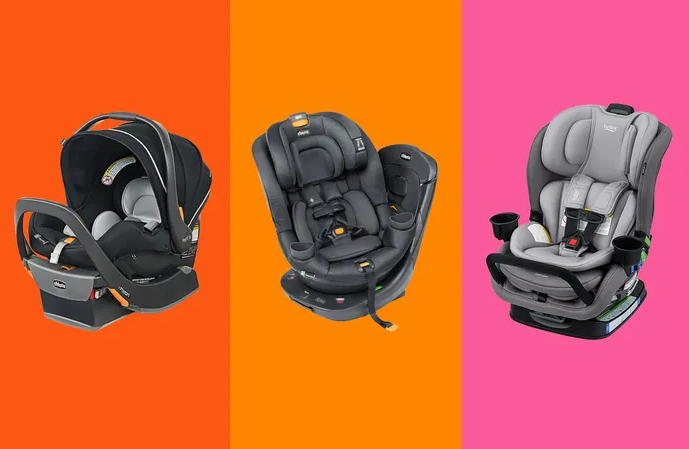
A rear-facing car seat is the safest way for a baby to travel in a vehicle, and understanding exactly when and for how long to use one is critical for protecting your child. Many parents ask whether there is a specific age to start or stop using a rear-facing position.
The evidence-based answer is clear: babies should ride rear-facing from birth and remain that way for as long as possible within the seat’s limits.
This detailed guide explains when a baby can sit in a rear facing baby car seat, how long they should remain rear-facing, what the law says, what safety experts recommend, and how to ensure proper installation.
What Is a Rear Facing Car Seat?
A rear facing car seat is designed so that the child faces the back of the vehicle. In a crash, especially a frontal collision, this positioning allows the car seat shell to absorb and distribute crash forces across the baby’s entire back, head, and neck.
Types of Rear-Facing Car Seats
There are three main categories:
1. Infant Car Seats (Rear-Facing Only)
- Designed for newborns and small infants
- Typically used from 4–5 pounds up to 22–35 pounds
- Portable and often compatible with stroller systems
2. Convertible Car Seats
- Used rear-facing first, then converted to forward-facing
- Often allows rear-facing use up to 40–50 pounds
- Designed for extended use
3. All-in-One Car Seats
- Rear-facing, forward-facing, and booster modes
- Built for long-term use across multiple stages
All three types meet federal safety standards when used correctly.
When Can a Baby Start Using a Rear Facing Car Seat?
From Birth
A baby can and should use a rear facing car seat from birth. In fact, the first ride home from the hospital should always be in a properly installed rear-facing seat.
Most infant seats accommodate babies as young as 4 or 5 pounds.
Some models are approved for premature infants, although hospitals may conduct a car seat tolerance test for medically fragile newborns.
There is no waiting period. Rear-facing is appropriate immediately.
How Long Should a Baby Stay in a Rear Facing Car Seat?
This is where many parents receive outdated or conflicting advice.
According to the American Academy of Pediatrics, children should remain rear-facing as long as possible within the height and weight limits of their car seat.
The National Highway Traffic Safety Administration also recommends keeping children rear-facing until they outgrow the manufacturer’s rear-facing limits.
Minimum Recommendation
At least until age 2.
However, age 2 is a minimum guideline, not an ideal transition point.
Many convertible baby car seats allow rear-facing until age 3, 4, or even longer, depending on the child’s size and the seat’s capacity.
Why Rear Facing Is Safer Than Forward Facing
Crash Dynamics
Frontal crashes are the most common type of severe collision. During a frontal impact:
- The vehicle stops abruptly.
- The child’s body continues moving forward.
- A forward-facing child’s head is thrown forward.
- A rear-facing seat cradles the child’s head, neck, and spine.
This difference is critical.
Anatomy of Infants and Toddlers
Young children have:
- Proportionally large heads
- Weak neck muscles
- Vertebrae that are not fully hardened
Forward-facing positioning places extreme stress on the spinal cord during impact. Rear-facing positioning spreads forces across the body’s strongest parts—the back and shoulders —dramatically reducing injury risk.
Age, Weight, and Height Guidelines
Parents often focus solely on age, but height and weight limits are more important.
Typical Rear-Facing Limits
- Starting weight: 4–5 pounds
- Maximum weight: 30–50 pounds (depending on model)
- Height limit: Based on standing height or head position
Many rear facing baby car seats require that the top of the child’s head remain at least 1 inch below the top of the seat shell.
Always consult your specific car seat manual for exact measurements.
Common Myths About Rear Facing Car Seats
“My Child’s Legs Look Cramped”
Bent legs are not dangerous. Children are flexible and naturally sit cross-legged or with knees bent.
Leg injuries are rare in rear-facing children. Head and neck injuries are the real concern in forward-facing crashes.
“My Child Is Big for Their Age”
Size does not equal spinal maturity. Even large toddlers benefit from rear-facing protection.
“Everyone Turns Their Baby at One Year”
This advice is outdated. Modern research does not support turning forward at 12 months.
Legal Requirements vs. Best Safety Practice
Many states require children to remain rear-facing until at least age two. However, legal requirements represent minimum standards, not optimal safety practices.
Following the manufacturer’s limits and expert medical recommendations provides better protection than simply meeting legal minimums.
How to Know When Your Child Has Outgrown Rear Facing
Your child has outgrown a rear facing car seat when:
- They exceed the maximum rear-facing weight limit.
- They exceed the height limit.
- Their head is too close to the top of the seat shell as specified by the manufacturer.
Turning forward prematurely reduces protection during a crash.
Installation and Positioning Basics
Even the best rear facing car seat cannot protect a child if installed incorrectly.
Recline Angle
Newborns require a more reclined angle to keep the airway open. Most seats include built-in angle indicators.
Harness Position
For rear-facing:
- Straps should be at or below shoulder level.
- Harness should be snug with no slack at the collarbone.
Chest Clip
Position at armpit level to keep straps properly aligned.
Avoid Bulky Clothing
Thick coats create false tightness. Dress your child in thin layers and place blankets over the harness after buckling.
Extended Rear Facing: Is It Worth It?
Extended rear facing refers to keeping a child rear-facing beyond age two, often until age three or four.
The safety benefits are significant.
Rear-facing baby car seats reduce strain on the cervical spine during frontal impacts.
Given that motor vehicle crashes remain a leading cause of injury in children, maximising protection during early developmental years is a rational safety decision.
Many modern convertible seats are designed specifically to support extended rear-facing use.
Frequently Asked Questions About Rear Facing Car Seat
Can I Turn My Child Forward at Age 2?
You may legally be allowed to do so in some regions, but it is safest to wait until your child exceeds the rear-facing limits of their seat.
What If My Child Hates Rear Facing?
Temporary discomfort does not outweigh safety benefits. Adjusting seat angle, timing trips around naps, and ensuring proper harness fit may help.
Are Convertible Seats Safe for Newborns?
Yes, if they fit the baby properly and meet minimum weight requirements. However, infant seats sometimes provide a better fit for very small newborns.
Do Rear Facing Seats Expire?
Yes. Most expire 6–10 years after manufacture due to material degradation and evolving safety standards.
Final Recommendations
To summarise clearly:
- A baby should use a rear facing car seat from birth.
- Children should remain rear-facing as long as possible within the manufacturer’s limits.
- Age alone should not determine when to switch.
- An extended rear-facing significantly improves crash protection.
Before transitioning to forward-facing:
- Check your child’s current weight and height.
- Review your seat’s manual.
- Confirm you have reached the maximum rear-facing limit.
Related: Understanding Baby Car Seat Safety Ratings
Conclusion
A rear facing car seat provides the highest level of protection for babies and toddlers during vehicle travel. While many parents focus on milestone birthdays, the safest decision is based on height and weight limits, not age alone.
From birth through the early toddler years, rear-facing positioning protects the head, neck, and spine during the most severe types of crashes. Turning forward too early reduces that protection.
If your child still fits within the rear-facing limits of their seat, the safest choice is simple: keep them rear-facing.
Leave a Reply