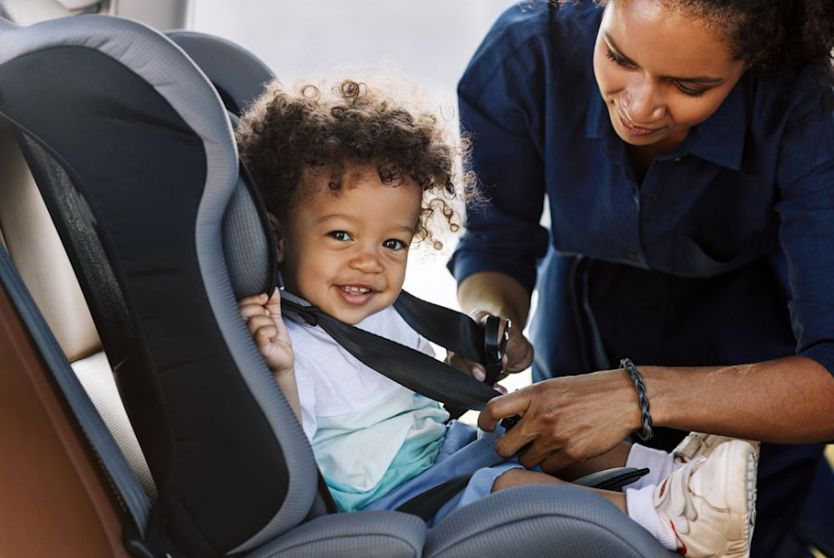
You’re standing in the baby store, staring at a wall of options, wondering which baby car seat will truly keep your little one safe on your first family road trip.
The boxes all promise safety, comfort, and convenience. As a new parent planning travel, the choices can feel overwhelming: infant seats, convertible seats, all-in-one models, each with different features, limits, and price tags. It’s normal to pause and ask: Which one is right for my child and my car?
This decision matters more than most purchases you’ll make for your baby. Road traffic crashes are a leading cause of injury and death among children worldwide.
The right car seat, properly chosen and installed, reduces the risk of serious harm. It’s not just about buying something that fits.
It’s about understanding how your child’s age, weight, and development stage align with safety standards and how your vehicle supports proper installation.
In this guide, you’ll learn the key differences between infant, convertible, and all-in-one baby car seats, so you can confidently decide what works best for your family. We’ll cover safety basics, age and weight guidelines, and the real-world pros and cons of each type.
You’ll also see cost comparisons and practical factors to consider, like travel frequency, vehicle compatibility, and ease of installation. By the end, you’ll have a clear side-by-side comparison and practical recommendations to help you choose wisely and travel with greater peace of mind.
You can spend hours comparing features, but the safest baby car seat is the one that protects your child in a real crash and fits your vehicle correctly. As you plan family travels, whether it’s weekend visits to grandparents or your first road trip, you’re not just buying gear. You’re making a safety decision that directly affects your child’s survival and injury risk.
Why Proper Car Seats Save Lives
Car crashes remain one of the leading causes of serious injury and death among children worldwide. Properly used car seats significantly reduce the risk of fatal injury for infants and toddlers.
In a collision, the forces involved are sudden and powerful. An infant’s head is proportionally larger and heavier compared to their body, and their neck muscles are still developing. That means crash dynamics affect babies very differently from how they affect adults.
A correctly chosen and installed seat spreads crash forces across stronger parts of the body and limits dangerous head and spinal movement.
Understanding Key Terms (So You’re Not Confused at the Store)
When shopping, you’ll constantly see terms like:
- Rear-facing – The safest position for infants and young toddlers. It supports the head, neck, and spine during a crash.
- Forward-facing – Used only after a child meets specific age, height, and weight requirements.
- Harness and weight limits – Every seat has maximum height and weight limits that must be strictly followed.
- LATCH system – A built-in vehicle anchoring system designed to simplify installation and reduce misuse.
Understanding these basics helps you avoid choosing a seat based only on appearance, price, or popularity.
Safety Standards Matter (And They Differ by Region)
Not all seats are approved the same way.
In the United States, car seats must comply with FMVSS 213, the Federal Motor Vehicle Safety Standard. In Europe, regulations such as i-Size (R129) focus on improved side-impact protection and height-based classification.
Whatever region you’re in, make sure the seat you choose meets your local safety standards. Compliance isn’t optional; it’s foundational.
Installation and Fit Are Just as Important as Seat Type
Here’s something many new parents don’t realise: even the highest-rated seat can perform poorly if installed incorrectly or if it doesn’t fit your vehicle well. The same model may install securely in one car but not in another due to seat angle, anchor placement, or space limitations.
Before you buy, check both the baby car seat manual and your vehicle owner’s guide. Confirm compatibility. If possible, test the fit or seek a certified technician to inspect the installation.
When you’re planning family travel, confidence comes not just from what you buy, but from knowing it’s set up correctly every single time you drive.
How To Compare Car Seats Before Buying One
When you’re preparing for your first trips with a newborn, choosing the right baby car seat can feel like one of the biggest decisions on your checklist.
If you’re picturing quick errands, paediatrician visits, and that first family road trip with a tiny passenger, an infant car seat is usually where most parents begin.
What Is an Infant Car Seat?
An infant car seat is specifically designed for babies from birth through early infancy. These seats are rear-facing only, which is the safest position for newborns.
They are engineered to support a baby’s delicate head, neck, and spine during sudden stops or collisions.
Key Features You’ll Notice
Infant seats are built with portability in mind. Most include:
- A built-in carrying handle so you can move your baby without waking them.
- A lightweight design compared to larger seat types.
- A separate base that stays installed in your car, allowing you to click the seat in and out easily.
Many models are also compatible with stroller frames or full travel systems, which makes transitions from car to sidewalk much smoother, especially when you’re managing bags, schedules, and sleep routines.
Pros: Why Many New Parents Choose Them
Infant car seats offer clear advantages during the newborn stage:
- Convenience: You can carry your baby inside while still secured in the seat.
- Stroller compatibility: They often connect directly to travel systems.
- Better positioning for small infants: Designed to provide proper head and body support.
- Frequent safety checks: Because you remove and reinstall the seat regularly, many parents naturally double-check the fit more often.
If you’re frequently moving between the car, stroller, and home—or travelling often—this portability can be a major benefit.
Cons: What to Consider Carefully
However, infant seats have limitations:
- Most are outgrown around 9–12 months, depending on your baby’s size.
- You will likely need to purchase another seat afterwards (such as a convertible model).
- Buying multiple seats over time can increase the overall cost.
If long-term value is your top priority, you should factor in the shorter usable period.
Who Is an Infant Seat Best For?
An infant car seat is ideal if you:
- Have a newborn and want maximum portability.
- Plan to travel frequently or move your baby in and out of the car often.
- Prefer the convenience of stroller compatibility during early family outings.
Common Mistakes to Avoid
Two errors happen more often than you might expect:
- Turning a child forward-facing too early. Infant seats must be rear-facing and used within the stated limits.
- Forgetting to adjust the harness as your baby grows. Straps must be repositioned to stay at the correct height and snugness.
If you’re planning family travel in the first year, an infant seat can make daily life easier. Just remember: convenience should always go hand in hand with proper installation and regular adjustments as your baby grows.
As you prepare for more family road trips and daily drives with your growing child, choosing the right baby car seat can start to feel less about convenience and more about long-term value and safety.
If you’re thinking beyond the newborn stage and want something that grows with your child, a convertible car seat may already be on your radar.
What Is a Convertible Car Seat?
A convertible car seat is designed to “convert” from rear-facing to forward-facing as your child grows. It typically starts rear-facing for infants and later transitions to forward-facing for toddlers who meet the required height and weight limits.
This flexibility is what makes it appealing to many families planning for several years of use.
Key Features You Should Know
Convertible seats are built with longevity in mind:
- Rear-facing mode for infants and young toddlers.
- Forward-facing mode for older toddlers and preschoolers.
- Higher weight and height limits than infant seats, especially for rear-facing use.
Many models support extended rear-facing, which safety experts recommend because it offers better protection for a toddler’s head, neck, and spine.
Pros: Why Many Families Choose Convertible Seats
If you’re looking at the bigger picture, here’s where convertible seats shine:
- Longer lifespan: Many models can be used from birth to 40 pounds or more, depending on the model.
- Cost-effective over time: Since one seat covers multiple stages, you may not need to purchase separate infant and toddler seats.
- Higher rear-facing limits: This allows you to keep your child rear-facing longer, which significantly improves safety.
- Stable installation: Because the seat usually stays installed in one vehicle, there’s less daily removal and reattachment.
For families who don’t frequently move seats between cars, this stability can offer peace of mind.
Cons: What to Consider Before Buying
Convertible seats are not as convenient in certain situations:
- Heavier and less portable: They’re not designed to be carried with your baby inside.
- More complex installation: Some parents report confusion during setup, especially when switching between rear-facing and forward-facing modes.
- No carrying handle: Unlike infant seats, you’ll need to remove your baby before leaving the car.
If you regularly transfer your baby from the car to the stroller without waking them, this may feel like a drawback.
Who Is a Convertible Seat Best For?
A convertible car seat is ideal if you:
- Want one seat that lasts several years.
- Prefer a long-term investment over multiple purchases.
- Rarely switch seats between vehicles.
Common Mistakes to Avoid
Two frequent issues include:
- Turning the seat forward-facing too early, before your child meets the proper age, height, and weight requirements.
- Forgetting to adjust the harness height as your child grows compromises safety.
If you’re planning consistent family travel and want a seat that adapts as your child grows, a convertible option offers durability and long-term value, provided you install it correctly and follow all usage limits carefully.
All-In-One Car Seats: One Seat for the Long Haul
If you’re reading a car seat buying guide because you want to make one smart decision and be done with it for years, an all-in-one car seat probably sounds very appealing.
These seats are designed to grow with your child from infancy through the booster stage, which can mean close to a decade of use when used correctly.
What Is an All-In-One Car Seat?
An all-in-one car seat is designed to cover every major stage of car travel in childhood. It starts as a rear-facing babt car seat for infants, converts to a forward-facing seat with a harness for toddlers, and later becomes a belt-positioning booster for older children. In theory, this means one seat from babyhood through early school years.
Key Features You’ll Use Over Time
Most all-in-one seats include:
- Rear-facing mode for infants and young toddlers
- Forward-facing harness mode for growing children
- The booster mode that positions the vehicle’s seat belt correctly
These transitions are what make all-in-one models attractive in many long-term car seat buying decisions.
Pros: Why Parents Choose All-In-One Seats
There are clear benefits if you’re thinking long-term:
- Longest usable lifespan: Many models are designed to last 10 years or more, depending on expiration dates and usage limits.
- One investment for many stages: You avoid buying separate infant, convertible, and booster seats.
- Simpler planning: Fewer seat changes mean fewer shopping decisions over the years.
For parents who want to streamline gear purchases, this can be a big relief.
Cons: Important Trade-Offs to Consider
However, all-in-one seats are not perfect for every family:
- Bulky and heavy: These seats are large and not easy to move between vehicles.
- Not travel-friendly: If you fly often or swap cars regularly, the size can be frustrating.
- High upfront cost: While cost-effective over time, the initial price can feel steep.
- Maybe more than you need: Some families prefer stage-specific seats that better match each age.
This is where a careful car seat buying guide really helps; what works long-term on paper doesn’t always fit daily life.
Who Is an All-In-One Seat Best For?
All-in-one car seats are often a good fit if you:
- Are you planning for multiple children and want a seat that can be reused?
- Prefer a single, long-term solution rather than upgrading every few years.
- Rarely move the seat between vehicles.
Common Mistakes to Avoid
Two safety issues come up often with all-in-one models:
- Switching to forward-facing mode too early, before your child reaches the required limits.
- Assuming booster mode is safe just because it’s available is not enough; children must meet strict height, weight, and maturity requirements.
If your goal is to make one well-researched purchase and follow a clear car seat buying guide from infancy through booster years, an all-in-one seat can work well, as long as you use each stage only when your child is truly ready.
Age, Weight & Height Guidelines: What Really Matters
If you’re using a car seat buying guide to make a smart decision, one of the most important sections to understand is age, weight, and height limits.
These numbers are not marketing details—they directly determine how well the seat protects your child during a crash. And here’s something many parents don’t realise: the legal minimum is not always the safest option.
Let’s break this down clearly.
Infant Car Seats
Infant seats are rear-facing only and typically designed for babies weighing about 4 to 35 pounds, depending on the model. They also include maximum height limits, which are just as important as weight.
Many babies outgrow infant seats before reaching the top weight limit. Always check both measurements. In any reliable car seat buying guide, you’ll see that exceeding either limit means it’s time to transition, not sooner.
Convertible Car Seats
Convertible seats give you more flexibility and usually higher limits.
- Rear-facing mode: Often supports children up to 40 pounds, depending on the model.
- Forward-facing with harness: Typically accommodates children from around 22 pounds up to 65 pounds or more.
- Height limits: Still apply in both modes and must be followed carefully.
If you’re comparing options in a car seat comparison guide, pay close attention to rear-facing weight limits. Higher limits allow you to keep your child rear-facing longer, which significantly improves safety.
All-In-One Car Seats
All-in-one seats cover multiple stages:
- Rear-facing range: Often from infancy up to 40–50 pounds.
- Forward-facing harness range: Commonly up to 65 pounds or higher.
- Booster mode range: Typically supports children weighing 100–120 pounds, depending on the design.
When reviewing a detailed car seat buying guide, you’ll notice these wide ranges are what make all-in-one seats appealing for long-term planning. But each stage must only be used when your child meets the proper size and developmental requirements.
What Safety Experts Recommend
According to the American Academy of Paediatrics (AAP):
- Children should remain rear-facing as long as possible, until they reach the maximum rear-facing height or weight limit of their seat.
- A forward-facing harness is recommended until at least 40 pounds—and often beyond, depending on seat limits.
- A belt-positioning booster should be used until the vehicle’s seat belt fits properly without assistance, which is usually when a child reaches about 4 feet 9 inches in height.
This expert guidance is often stricter than minimum legal requirements.
Minimum Legal Guidelines vs. Best Practice
Here’s where many parents get confused.
Legal minimums in some regions allow children to move to forward-facing or booster seats earlier than safety experts recommend.
The law sets the baseline. Best practice focuses on maximum protection.
A strong car seat buying guide will always encourage you to:
- Follow manufacturer limits carefully.
- Choose a seat with higher rear-facing capacity when possible.
- Base transitions on safety readiness, not just age milestones.
As you plan family travel, think beyond “Is it allowed?” and focus on “Is it safest?” Those extra months (or years) in the correct position can make a measurable difference in crash protection.
Baby Car Seat Cost Comparison
Typical Price Ranges & What They Mean for Your Budget
Reading a car seat buying guide as a young parent planning trips and managing household expenses means you’re not just asking what’s safest, you’re also asking what makes financial sense.
Understanding current price ranges helps you plan ahead, rather than being surprised at checkout.
Typical Baby Car Seat Price Ranges in 2026
Here’s what most parents are seeing in today’s market (prices vary by brand, features, and region):
- Infant seats: Generally, the most affordable starting option, with prices ranging from budget-friendly models to higher-end versions with premium fabrics and added safety features.
- Convertible seats: Typically sit in the mid- to higher-priced range because they’re built for longer use and higher weight limits.
- All-in-one seats: Often the highest upfront investment, reflecting their multi-stage design and extended lifespan.
It’s important to remember that a higher price does not automatically equal higher safety. Many moderately priced seats meet the same safety standards as premium models. Extra cost usually reflects convenience features, materials, or ease of installation.
Short-Term vs. Long-Term Costs
One of the biggest decisions in any car seat buying guide is whether to buy stage-specific seats or invest in a long-term solution.
- Buying an infant seat first, then upgrading to a convertible or booster later, spreads out the cost, but total spending may be higher over time.
- Choosing a convertible or all-in-one seat requires a larger initial investment, yet may eliminate the need for multiple purchases.
For families planning frequent road trips or long-term use of a single vehicle, investing upfront can sometimes be more economical.
Travel Systems & Add-Ons
Travel systems—where an infant seat pairs with a compatible stroller—are popular among new parents.
- Bundled systems can cost more than buying pieces separately.
- The convenience of moving a sleeping baby from a car to a stroller without unbuckling can be extremely valuable during travel.
For parents who travel often, visit airports, or run frequent errands, that convenience may justify the added expense. For others, it may be a feature that sounds useful but gets limited use.
Resale and Longevity
Another factor rarely mentioned in a basic car seat buying guide is resale potential.
Convertible and all-in-one seats sometimes retain stronger resale value because:
- They serve multiple growth stages.
- They are appealing to families looking for long-term solutions.
Keeping the seat clean, maintaining all original parts, and following manufacturer guidelines can help preserve value.
Budget Strategies That Keep Safety First
Being cost-conscious does not mean compromising on safety. Consider these approaches:
- Buying new when possible: This ensures you know the full crash history and expiration status.
- Used seats only with extreme caution: A seat should never have been in a crash, must be within its expiration date, and should include the original manual and all parts. When in doubt, it’s safer to buy new.
- Watching for sales and manufacturer rebates: Seasonal promotions can significantly reduce cost without lowering safety standards.
- Prioritising higher rear-facing limits: Spending slightly more for extended rear-facing capacity can offer better long-term value and protection.
A well-structured car seat buying guide helps you balance safety, convenience, and cost so your family can travel confidently, without unnecessary financial stress.
Practical Factors to Consider Before Buying Baby Car Seat
Beyond safety ratings and price comparisons, real life plays a huge role in choosing the right car seat. As a young parent planning road trips, daycare drop-offs, and visits to family, you need something that fits your actual daily routine, not just a checklist on paper.
Let’s walk through the practical details that truly matter.
Vehicle Compatibility
Start with your car—not the seat.
- Seat width and legroom: Some car seats are wide and can limit space, especially in compact cars. If you plan to fit multiple seats across the back row, width becomes critical.
- LATCH availability: Check how many LATCH anchor positions your vehicle has and where they’re located. Not all seating positions support LATCH installation.
- Multiple seats in one car: Planning for two kids close in age? Make sure your vehicle can safely accommodate two or even three car seats side by side.
A seat that looks perfect online may not install properly in your specific vehicle. Always confirm compatibility using both the car seat manual and your vehicle owner’s guide.
Baby Car Seat Installation Complexity
Ease of installation directly affects real-world safety.
A technically “top-rated” seat doesn’t help if it’s installed incorrectly.
Some models are known for straightforward installation systems, while others require more adjustment and patience.
Consider:
- Clear labeling
- Easy-to-tighten harness systems
- Straightforward recline adjustments
When possible, have a certified child passenger safety technician check your installation. Confidence comes from knowing it’s done correctly.
Portability Needs
Think about how often the seat will move.
- Do you frequently use taxis or ride-shares?
- Will grandparents need a seat in their car?
- Do you switch vehicles between caregivers?
Heavy all-in-one models can be frustrating to transfer regularly. In those cases, a lighter or secondary seat may make life easier.
Lifestyle & Family Plans
Your future plans should influence today’s decision.
- Expecting a second child soon? You may need space for two seats.
- Carpooling occasionally? Consider how accessible buckle areas are for older children.
- Multiple vehicles in the household? Decide whether you need two seats or one that transfers easily.
Planning ahead can prevent unnecessary upgrades later.
Preferences & Comfort
Comfort isn’t just about luxury—it affects daily use.
Look at:
- Quality of padding
- Breathable fabrics for warm climates
- Washable, removable covers
- Ease of cleaning after spills
Children are more cooperative when seated in a comfortable seat, especially on longer trips.
Travel & Aviation Considerations
If flights are part of your family travel plans, check whether the seat is FAA-approved for aircraft use. Not all models are suitable for aeroplane installation.
For frequent flyers, lighter and narrower seats are often easier to carry through airports and fit into aeroplane seats.
When choosing a car seat, think beyond features and focus on how it fits your car, your routine, and your family’s future. The best choice is one that keeps your child safe and works smoothly in your everyday life.
Frequently Asked Questions About Baby Car Seats
- Can I use an infant seat longer if my baby outgrows it early?
No. Once your baby exceeds either the maximum weight or height limit listed by the manufacturer, the seat should no longer be used. Even if your baby still seems to “fit,” going beyond those limits reduces protection in a crash. - Is a more expensive seat necessarily safer?
Not necessarily. All legally sold seats must meet the required safety standards. Higher prices usually reflect added comfort features, easier installation systems, extended rear-facing limits, or premium materials, not basic crash safety. - Can I install a baby car seat without the base?
Many infant car seats can be installed without the base using the vehicle seat belt, but you must follow the manufacturer’s instructions exactly. Convertible and all-in-one seats do not use separate bases; they install directly with either LATCH or the seat belt. - Why are boosters needed after harness seats?
Booster seats position the vehicle’s seat belt correctly across a child’s chest and hips. Without a booster, the seat belt may sit too high on the abdomen or neck, increasing the risk of injury during a crash. - What if my car doesn’t have LATCH?
You can safely install a car seat using the vehicle’s seat belt. LATCH is a convenience feature, not a requirement. Proper seat belt installation, when done correctly, is just as safe. - When should I go for a forward-facing baby car seat?
Children should remain rear-facing as long as possible, until they reach the maximum rear-facing height or weight limit of their seat. This is often well beyond age two and provides significantly better protection for the head, neck, and spine.
Related: Best Car Seat Brands In The US
Conclusion
Choosing the right car seat doesn’t have to feel overwhelming. Each type, infant, convertible, or all-in-one, offers unique benefits and comes with limitations.
Infant car seats are portable and convenient for newborns, convertible seats grow with your child and provide extended rear-facing protection, and all-in-one seats offer a long-term solution from infancy through booster age.
Across all options, the most important priorities remain keeping your child rear-facing as long as possible, following manufacturer limits, and ensuring proper installation every time.
When deciding, think about your lifestyle, travel habits, and long-term needs. One family may value portability and frequent travel, while another prefers a single seat that lasts for years.
Safety should always guide your choice, but practical considerations make daily life easier and more manageable.
Leave a Reply