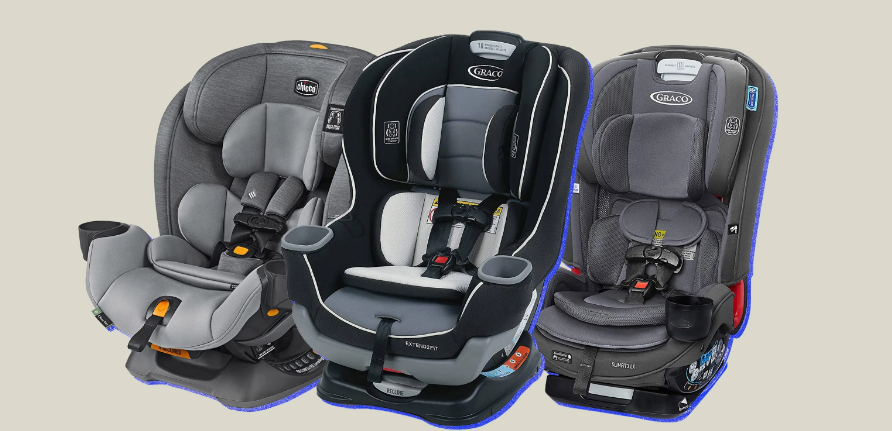
Buying a convertible car seat is one of the most important safety decisions you’ll make as a young parent preparing for family travel.
Whether you’re planning a short drive or a long road trip, you want to know your child is protected every mile. Unlike infant-only seats, a convertible car seat grows with your child, starting rear-facing for babies and later transitioning to forward-facing as they get older.
That long-term use makes your choice even more significant, since this is the seat your child may rely on for years.
As you get ready for your trip, safety should feel clear and practical, not overwhelming. You might wonder which features matter, what safety standards to look for, or how to know if a seat will fit your vehicle.
From installation systems and side-impact protection to weight limits and ease of adjustment, every detail plays a role in keeping your child secure. The safest option isn’t necessarily the most expensive; it’s the one that fits your child, installs properly in your car, and is used the right way.
In this guide, you’ll learn exactly how to evaluate a convertible car seat with confidence.
We’ll walk through the essential safety criteria, explain what makes certain features more protective than others, and help you avoid common mistakes parents make when choosing a seat. By the end, you’ll feel prepared to select a convertible car seat that supports both your child’s safety and your peace of mind, so you can focus on enjoying your family travel without second-guessing your choice.
Understanding The Types of Car Seats to Choose
Before you choose the safest convertible car seat for your child, it helps to understand the different types of car seats available. When you’re planning family travel, whether it’s a weekend visit to grandparents or a longer road trip, you want clarity, not confusion.
Each car seat category serves a specific stage of your child’s growth, and knowing how they differ will help you make a confident, informed decision.
Infant Car Seats
Infant car seats are designed specifically for newborns and small babies.
They are rear-facing only, which means they position your baby facing the back of the vehicle, a position widely recognised as the safest for infants because it better supports the head, neck, and spine during a crash.
Most infant seats are used from birth until about 9 to 15 months, depending on your baby’s weight and height. One major advantage is portability: you can remove the entire seat from the car without disturbing your sleeping baby.
For many young parents, that convenience is a lifesaver during errands or travel. However, babies outgrow infant seats quickly, so you’ll eventually need to transition to another option.
Convertible Car Seats
A convertible car seat adapts as your child grows. It starts rear-facing for infants and toddlers, then converts to forward-facing when your child reaches the appropriate age and size.
If you’re thinking long-term, this type of seat offers significant value. A long-lasting convertible car seat can be used for several years, making it practical and cost-effective. Unlike infant seats, convertible seats are typically heavier and meant to stay installed in your vehicle rather than being carried around.
Interestingly, permanent installation can enhance stability when properly secured.
When evaluating options, your goal isn’t just to buy any model. It’s to find the safest convertible car seat that fits your vehicle, supports extended rear-facing use, and matches your child’s growth pattern. Fit and correct installation matter far more than brand name or appearance.
All-in-One Baby Car Seats (3-in-1 or 4-in-1)
An all-in-one convertible car seat offers even more versatility. These seats transition from rear-facing to forward-facing and eventually into a booster seat. Some models accommodate children from infancy to elementary school age.
For a young parent planning ahead, this can be a smart long-term investment. Instead of purchasing multiple seats over time, you may be able to use one system through several growth stages.
However, “all-in-one” does not automatically mean “best for every stage.” It’s still essential to ensure the seat fits properly in rear-facing mode first, since that stage offers the highest level of protection in early childhood.
Why Many Experts Recommend Extended Rear-Facing
One of the most important safety principles is extended rear-facing. An extended rear facing car seat allows your child to remain rear-facing well beyond age two, sometimes up to 40–50 pounds, depending on the model.
Why does this matter? In a crash, rear-facing seats distribute impact forces across the strongest parts of your child’s body, the back and shell of the seat, rather than concentrating stress on the neck and spine. This significantly reduces the risk of serious injury.
For this reason, many safety experts encourage parents to keep children rear-facing for as long as the seat’s limits allow.
When choosing the safest convertible car seat, look closely at the rear-facing weight and height limits. A seat that supports extended rear-facing use often provides the highest level of protection during your child’s most vulnerable years.
As you prepare for family travel, that added margin of safety can bring peace of mind, knowing your child is positioned in the safest way for every journey ahead.
Baby Car Seat Safety Standards and Regulations You Must Know
When choosing the safest convertible car seat for your child, it’s easy to assume every seat on the shelf is equally protective.
The truth is more nuanced. All car seats sold legally must meet certain safety standards, but understanding what those standards require will help you look beyond marketing claims and choose with confidence.
Federal Motor Vehicle Safety Standards (FMVSS 213)
In the United States, every crash-tested convertible car seat must comply with Federal Motor Vehicle Safety Standard 213 (FMVSS 213). This regulation sets the minimum crash performance requirements for child restraint systems. Before a seat can be sold, manufacturers must test it to ensure it meets specific criteria in simulated crash scenarios.
What does this mean for you? It means that any safety-certified cWhat does this mean for you?
Any safety-certified convertible car seat on the market has passed federally required testing for frontal crash performance, structural integrity, and restraint effectiveness.
That’s reassuring, but remember this is a baseline requirement. The testing conditions represent controlled scenarios, not every possible real-world crash. So while compliance confirms a seat meets legal safety standards, it doesn’t mean all seats perform equally beyond those minimum thresholds. Really concerning because there is less space between your child and the point of impact.
Unlike frontal crash testing, side impact protection for convertible car seats has not always been uniformly regulated in the same way under federal law. Requirements have evolved over time, and manufacturers may conduct additional internal testing beyond what is legally required.
When you see a side impact protection convertible car seat advertised, it often means the manufacturer has added reinforced headrests, energy-absorbing foam, or structural enhancements to better manage crash forces from the side. Some brands also voluntarily perform more rigorous testing to improve performance in these scenarios.
As a parent planning family travel, it’s worth looking for seats that go beyond the minimum.
Features like deep headwings, reinforced frames, and enhanced energy management systems can provide added peace of mind, especially for longer road trips.
International Safety Standards (Brief Comparison)
If you’ve researched online, you may have come across European car seat regulations such as ECE R44 or the newer R129, often called i-Size. These standards differ from U.S. regulations in several ways. For example, European rules often place stronger emphasis on rear-facing travel for longer periods and include specific side-impact testing requirements under newer frameworks.
However, U.S. and European seats are not inHowever, U.S. and European seats are not interchangeable because they are tested under different vehicle and regulatory systems.
What matters most is that the seat you choose complies with the regulations of the country where you’ll use it. If you’re buying domestically, ensure it meets FMVSS 213 standards rather than relying on foreign certifications.
Here’s the key takeaway: compliance does noHere’s the key takeaway: compliance does not automatically equal the safest convertible car seat.
Every legally sold seat meets minimum safety thresholds, but some models exceed those standards through additional engineering, advanced materials, or enhanced testing protocols. often reflects strong performance in independent reviews, ease of installation (which reduces misuse), extended rear-facing limits, and advanced side-impact design. These factors can significantly influence real-world protection.
As you prepare for family travel, think of federal certification as the starting line, not the finish line. Your goal isn’t just to buy a seat that passes the minimum test.
It’s to choose one that fits your vehicle, installs securely, supports extended rear-facing, and offers design features that increase protection. When you understand what “safe” legally means, you’re better equipped to select a seat that truly supports your child’s safety on every mile of the journey.
Related Read: How Much Does Family Travel Insurance Cost In The US
Rear-Facing: The Single Most Important Safety Factor
If there is one principle to hold onto as you plan family travel, it’s this: rear-facing is the strongest protection you can give your child in a vehicle.
When parents search for the safest convertible car seat, they often focus on brand names or price. But the real priority is how long and how well the seat allows your child to ride rear-facing.
How Rear-Facing Baby Car Seat Protects the Spine and Neck
To understand rear facing safety benefits, picture what happens in a crash. In a frontal collision, the most common and often most severe type, the vehicle stops suddenly, but everything inside continues moving forward at the same speed until restrained.
For adults, seat belts distribute force across the chest and hips. But babies and toddlers have:
- Larger heads relative to their bodies
- Developing neck muscles
- More flexible spinal bones
In a forward-facing position, crash forces pull the head forward, placing intense strain on the neck and spinal cord. In contrast, a rear facing convertible car seat supports the entire back, neck, and head. Instead of the neck absorbing the force, the seat shell spreads it across the child’s whole body.
That distribution of force dramatically reduces the risk of severe spinal injury. This is why rear-facing isn’t just a recommendation; it’s a biomechanical advantage.
Recommended Rear-Facing Duration
You might hear different advice from friends or family about when to turn a child forward-facing. Here’s where clarity matters.
- Minimum requirement: Many regions legally allow forward-facing after age two (sometimes earlier, depending on weight).
- Best practice: Safety experts strongly encourage keeping children rear-facing as long as possible, within the seat’s limits.
An extended rear facing car seat allows your child to remain rear-facing well beyond age two, sometimes until age four or longer, depending on their size. Pediatric safety organisations consistently recommend maximising rear-facing time because the protective benefits remain significant throughout early childhood.
When choosing the safest convertible car seat, look closely at the rear-facing weight and height limits. A model designed for extended rear-facing gives you the flexibility to prioritise safety rather than feeling pressured to transition early.
Weight and Height Limits Matter
Many parents focus only on age, but car seats don’t work that way. Limits are based on:
- Weight range (for example, up to 40–50 pounds rear-facing)
- Height limits
- Shell height and headrest adjustment range
A high-weight-limit convertible car seat allows your child to stay rear-facing longer, even as they grow.
But height is just as important. If your child’s head rises above the allowed headrest position, the seat may no longer provide proper protection, even if they’re within the weight range.
Always check both measurements before making a decision.
Choosing a Convertible Seat with High Rear-Facing Limits
If you want to prioritise protection, look for:
- Rear-facing weight limits of 40 pounds or more
- Tall seat shells for longer torso support
- Multiple headrest adjustment positions
- Clear recline indicators for the correct angle
These features let you keep your child rear-facing longer without compromising comfort or fit. When evaluating options, remember: the safest convertible car seat is the one that allows you to extend rear-facing safely and confidently for as long as possible.
Fit Matters: Matching the Car Seat to Your Baby
You could buy the most expensive seat on the market, but if it doesn’t fit your child correctly, it won’t perform as designed. The safest convertible car seat is one that matches your baby’s size, proportions, and growth stage.
Age vs Weight vs Height
Age is often used as a general guide, but it’s not the most precise measure. Weight and height are far more important.
Height is frequently overlooked, yet it directly affects:
- Harness positioning
- Headrest placement
- How long can the seat be used rear-facing
The best fitting convertible car seat provides enough shell height and harness adjustability to accommodate your child’s growth without compromising safety.
Harness Position and Adjustability
Proper harness placement is critical. In rear-facing mode, harness straps should sit at or slightly below your child’s shoulders. That’s why an adjustable harness convertible car seat is so valuable.
Look for:
- No-rethread harness systems (easier height adjustments)
- Multiple shoulder height positions
- Smooth tightening mechanisms
A harness that fits snugly and adjusts easily encourages correct use every time you buckle your child in.
Newborn Inserts and Head Support
If you’re starting with a convertible seat from birth, make sure it qualifies as a newborn safe convertible car seat. Newborns need additional positioning support to maintain a safe airway angle.
Many seats include removable infant inserts designed to:
- Improve body positioning
- Reduce excessive side-to-side movement.
- Provide proper head alignment.
Always follow manufacturer guidelines for when to remove these inserts as your baby grows.
Growth Accommodation Features
Children grow quickly, sometimes faster than we expect. Look for features that adapt to them:
- Adjustable headrests
- Expandable side wings
- High shell design (high back convertible car seat models often support longer rear-facing use)
These growth-friendly features help ensure you’re not forced to replace the seat prematurely. The safest convertible car seat is the one that continues to fit properly as your child develops.
Fit Matters: Matching the Car Seat to Your Vehicle
Now let’s talk about something many parents don’t realise until installation day: not every car seat fits every vehicle well.
Vehicle Seat Angle and Space Constraints
Rear-facing seats require a specific recline angle. In smaller vehicles, achieving that angle can reduce front-seat legroom. If you drive a compact car, this becomes especially important.
A compact safest convertible car seat is designed with space efficiency in mind while maintaining safety performance. Slim profiles and adjustable recline systems can make a big difference in tighter vehicles.
LATCH System vs Seat Belt Installation
Most modern vehicles include the LATCH system (Lower Anchors and Tethers for Children). A LATCH system convertible car seat allows direct attachment to built-in anchors, which can simplify installation.
However, seat belt installation is equally safe when done correctly. What matters most is achieving a tight, secure fit—less than one inch of movement at the belt path.
An easy install convertible car seat often includes:
- Clear belt path labelling.
- Built-in lock-offs
- Level indicators
- Straightforward tightening systems
The easier it is to install correctly, the more likely it will be installed correctly each time.
Compact Cars vs SUVs
Larger SUVs generally offer more flexibility for rear-facing positioning. Compact cars may require more careful seat selection. If you’re searching for the safest convertible car seat for small cars, prioritise:
- Narrow base design
- Adjustable recline settings
- Compact shell depth
Vehicle size doesn’t determine safety, but compatibility does.
Testing the Fit Before Purchase
If possible, test the seat in your vehicle before committing. Some retailers allow trial fitting, and certified child passenger safety technicians can assist with installation checks.
A secure installation convertible car seat should:
- Sit firmly against the vehicle seat.
- Maintain correct recline
- Show minimal side-to-side movement.
- Allow proper harness positioning for your child.
When you combine extended rear-facing capability, proper child fit, and secure vehicle installation, you dramatically increase real-world protection.
As you prepare for family travel, these details may feel technical, but they are exactly what turn a standard car seat into the safest possible choice for your child.
Related Read: The Best Family Travel Destinations In The US
Convertible Car Seat Installation: The Hidden Safety Variable
You can choose a crash-tested convertible car seat with excellent design, but if it’s not installed correctly, its protective performance drops significantly. ‘
Installation is the hidden safety variable many parents underestimate. The safest convertible car seat installation isn’t about speed; it’s about precision.
Common Installation Mistakes
Even careful parents make installation errors. Some of the most common include:
- Loose attachment at the belt path
- Incorrect recline angle
- Using both LATCH and a seat belt simultaneously when not allowed
- Twisted harness straps
- Incorrect tether use in forward-facing mode
A secure installation convertible car seat should not shift more than one inch side-to-side or front-to-back at the belt path. Small movement at the top of the seat is normal, but movement at the base is not.
When looking for an easy install, safest convertible car seat, prioritise clear belt paths, built-in lock-offs, and visible recline indicators. The simpler the process, the lower the chance of misuse.
Proper Recline Angle
Rear-facing seats must sit at the correct recline angle to protect your child’s airway and manage crash forces effectively. Too upright, and your baby’s head may fall forward. Too reclined, and crash protection can be compromised.
Most seats include:
- Level lines
- Bubble indicators
- Adjustable recline foot mechanisms
Always check the manual for the specific rear-facing angle range allowed for your child’s weight.
Tightness Test (Less Than 1 Inch Rule)
Here’s a simple but critical test: grasp the seat at the belt path and try to move it. If it shifts more than one inch in any direction, it needs tightening.
This “less than one inch rule” is one of the most important checks for the safest convertible car seat installation. A properly installed, crash-tested convertible car seat can only perform as designed when tightly secured.
Professional Installation Checks
Even if you feel confident, having your seat inspected by a certified Child Passenger Safety Technician can make a huge difference. They can:
- Confirm correct belt routing.
- Adjust recline
- Ensure proper harness positioning.
- Verify tether use
If your model includes an anti-rebound bar convertible car seat feature, they can also ensure it’s installed correctly. Anti-rebound bars help reduce rearward rotation in a crash, adding another layer of protection, but only if used properly.
Advanced Car Seat Safety Features Worth Considering
Once you’ve covered the basics—rear-facing limits, proper fit, and installation, you can look at advanced features that enhance protection. Side-Impact Protection Panels
A side impact protection convertible car seat often includes deep headwings or deployable side panels. These are designed to:
- Absorb energy during side collisions.
- Shield the head and torso.
- Reduce lateral movement
Side-impact design can improve overall protection.
Anti-Rebound Bars and Load Legs
An anti-rebound bar convertible car seat reduces backward motion after the initial crash impact. Some seats also include load legs, which extend from the base to the vehicle floor to absorb crash energy.
These features can:
- Reduce rotational movement
- Limit the force transferred to the child.
- Improve stability during impact.
Steel-Reinforced Frames
A steel frame convertible car seat adds structural strength. Steel reinforcement can improve durability and help maintain seat integrity during high-force crashes.
Energy-Absorbing Foam
Many premium models use energy-absorbing foam (often EPS or EPP foam) around the head and torso areas. This material compresses during impact to manage crash forces.
No-Rethread Harness Systems
Convenience affects safety more than you might think. A no-rethread harness system allows you to adjust the harness height without uninstalling the seat. When adjustments are easy, they’re more likely to be done correctly as your child grows.
While these features don’t replace proper installation or rear-facing use, they can strengthen an already reinforced safety convertible car seat design.
Related Read: Benefits of Convertible Car Seat For Travelling Families
Understanding Crash Test Ratings and Reviews
When researching the best-rated convertible car seat, you’ll encounter government certifications and independent consumer ratings. Understanding what they mean will help you interpret them responsibly.
Government Ratings
All legally sold seats must meet federal crash standards. This ensures every crash-tested convertible car seat meets minimum performance criteria.
Independent Consumer Testing
Some organisations conduct comparative testing beyond federal requirements. The highest safety rating convertible car seat in these reviews may demonstrate:
- Better ease of installation
- Improved side-impact performance
- More consistent results across scenarios
What High Ratings Really Mean
A top safety convertible car seat rating often reflects more than just crash performance. It may also consider:
- Ease of use
- Clarity of instructions
- Fit versatility
- Build quality
High ratings can guide you, but they don’t replace checking fit in your vehicle.
Avoiding Marketing Hype
Be cautious of vague claims like “military-grade” or “ultimate protection” without clear testing details. The safest convertible car seat isn’t defined by advertising language; it’s defined by real performance, proper installation, and correct usage.
Budget vs Safety: Does Price Equal Protection?
As a young parent, budget matters. The good news is that safety doesn’t require the most expensive seat on the shelf.
A. All Seats Must Meet Minimum Standards
Every seat sold legally must meet federal crash requirements. That means even a budget convertible car seat has passed required safety testing.
Where Premium Seats Add Value
Higher-priced models often include:
- Extended rear-facing weight limits
- Anti-rebound bars
- Steel reinforcement
- Enhanced side-impact systems
- Easier installation mechanisms
These features can add convenience and extra protection.
Budget-Friendly Yet Safe Options
An affordable, safest convertible car seat is one that:
- Meets federal standards
- Fits your vehicle properly
- Allows extended rear-facing within reasonable limits
- Installs securely
You don’t need luxury branding to achieve strong protection.
Long-Term Value of Convertible Seats
A long-lasting convertible car seat can serve your child for several years. That longevity often makes it the best value convertible car seat over time.
If you’re searching for the safest convertible car seat under budget, focus on rear-facing limits, installation ease, and correct fit, not just price tags. When chosen carefully, even a modestly priced seat can provide excellent protection for every mile of your family’s journey.
Convertible Car Seat Longevity and Expiration Dates
When you invest in a long-lasting convertible car seat, you probably expect it to protect your child for years. And it can, but not indefinitely. Car seats have expiration dates for important safety reasons, and understanding this helps you protect your child over time.
Material Degradation
Even a durable convertible car seat is made from plastic, metal, foam, and fabric components that age. Over time:
- Plastic can weaken due to temperature changes and UV exposure.
- Foam can lose its energy-absorbing properties.
- Harness straps can wear down from repeated tightening and cleaning.
In a crash, materials must perform exactly as engineered. If those materials have degraded, performance can be compromised. That’s why manufacturers assign a defined safest convertible car seat lifespan, often ranging between 6 to 10 years depending on the model.
Even if a seat looks fine on the outside, internal components may not be as strong as they once were. Expiration isn’t about appearance; it’s about crash performance reliability.
Evolving Car Seat Safety Standards
Vehicle safety technology evolves. Regulations and testing methods improve. A safety-approved convertible car seat manufactured years ago may have met the best standards at the time, but newer models often incorporate:
- Improved side-impact engineering
- Higher rear-facing weight limits
- Reinforced structural designs
Expiration policies also help ensure older seats are phased out as safety expectations advance. When considering younger siblings or long-term use, checking the expiration date becomes essential.
Checking Manufacture Date
Every car seat includes a label with the manufacture date and expiration period. This information is usually located:
- On the shell
- On the bottom of the seat
- In the user manual
Before purchasing, especially if receiving a seat secondhand, always verify the date. The safest convertible car seat’s lifespan starts from the date of manufacture, not the purchase date. Avoid buying used seats unless you are absolutely certain of their full history. Unknown storage conditions, prior crashes, or missing parts can significantly reduce safety.
When to Replace After a Crash
After a collision, even if there’s no visible damage, replacement may be necessary. Crash forces can create internal stress fractures in the plastic shell that are not visible to the eye.
Many manufacturers require a crash replacement convertible car seat after moderate to severe crashes. Some allow continued use after minor crashes, depending on specific criteria. Always consult:
- The car seat manual
- The manufacturer directly
- Your insurance provider
When in doubt, replacement is the safest decision. Your child’s protection is not something to risk.
Car Seat Safety vs Comfort: Striking the Right Balance
As a parent, you want your child to be safe and comfortable. Long trips, naps in the car, summer heat, all of it matters. But here’s the key: comfort should never override protection.
A comfortable convertible car seat is valuable, but structural safety must always come first.
Breathable Fabrics
A breathable, safest convertible car seat often includes moisture-wicking or ventilated fabrics. These features can help reduce overheating, especially in warmer climates. Breathable materials improve comfort, but they should never replace core safety features like strong harness systems and structural integrity.
Cushioning vs Structural Integrity
Extra padding may look appealing, but more cushion does not automatically equal more safety. The safest convertible car seat padding is engineered to absorb energy strategically, not just add softness.
Focus on:
- Properly positioned energy-absorbing foam
- Firm, supportive headrest systems
- Stable shell construction
Overly plush aftermarket padding can interfere with harness positioning and crash performance.
Climate Considerations
If you live in a hot region or frequently travel in warm weather, fabric type and ventilation matter more. A high-back convertible car seat with good airflow can help reduce sweating and discomfort on long trips.
In colder climates, removable covers and easy cleaning features may be more important. Choose comfort features that suit your environment, but not at the expense of safety performance.
Avoiding Unsafe Add-Ons
It’s tempting to purchase additional accessories like:
- Head supports
- Strap covers
- Seat liners
- Aftermarket cushions
Unless provided or explicitly approved by the manufacturer, these add-ons can interfere with crash dynamics. Even a premium, safest convertible car seat can have its safety compromised by unapproved accessories.
When balancing comfort and protection, remember this: a slightly less plush seat that is correctly fitted, properly installed, and structurally sound is far safer than a heavily padded one that interferes with harness tension or impact performance.
As you prepare for family travel, aim for thoughtful balance. Comfort helps your child ride happily, but true peace of mind comes from knowing safety always comes first.
Related Read: 9 Common Mistakes To Avoid When Buying Baby Car Seat
Frequently Asked Questions About Convertible Car Seat
As you narrow down your options, it’s completely normal to still have questions. Let’s walk through some of the most common concerns young parents have when choosing the safest convertible car seat.
What is the safest convertible car seat for newborns?
The safest convertible car seat for a newborn is one specifically rated for use from birth and designed with proper infant support. Look for a newborn safe convertible car seat that offers:
- A low starting weight limit (often 4–5 pounds)
- Newborn inserts for positioning support
- Proper recline settings for airway safety
- Harness straps that adjust low enough for tiny shoulders
Just as important, make sure the seat installs securely in your vehicle and allows correct recline. Even the most highly rated crash-tested convertible car seat will not perform properly if it doesn’t fit your car or your baby correctly.
How long should my baby stay rear-facing?
The short answer: as long as possible within the seat’s limits.
An extended rear facing car seat allows your child to remain rear-facing well beyond age two. Safety experts consistently recommend maximising rear-facing time because it provides superior protection for the head, neck, and spine in a crash.
Your decision should be based on:
- The rear-facing weight limit
- The height limit
- Proper headrest positioning
Turning forward-facing should happen only when your child outgrows the rear-facing limits, not simply because they reach a certain birthday.
Is a higher car seat weight limit safer?
A higher weight limit doesn’t automatically mean the seat itself is stronger, but it does allow longer rear-facing use, which increases safety.
For example, a convertible seat that allows rear-facing up to 40–50 pounds gives you more time to benefit from rear-facing protection. That flexibility can make a real difference, especially for larger toddlers.
So while a weight limit alone doesn’t define the safest convertible car seat, higher rear-facing limits do support safer positioning for a longer period.
Can I reuse a car seat after a minor crash?
It depends. Some manufacturers allow reuse after very minor crashes that meet strict criteria. Others recommend replacement after any collision.
Because internal damage isn’t always visible, many parents choose to replace the seat for peace of mind. Always consult:
- Your seat’s manual
- The manufacturer directly
- Your insurance provider
When in doubt, replacing a crash-tested convertible car seat after an accident is often the safest path.
Are convertible seats safe for small cars?
Yes—if they fit properly.
When shopping for the safest convertible car seat for small cars, look for:
- Compact shell design
- Adjustable recline options
- Narrow base width
- Clear installation guides
The key is secure installation and correct recline angle. A properly installed convertible seat in a compact car is absolutely safe, as long as it meets crash standards and fits the space appropriately.
Conclusion: Safety Is About Smart, Informed Choices
Choosing the safest convertible car seat isn’t about finding a single “perfect” model. It’s about understanding how safety really works: rear-facing protection, proper installation, vehicle compatibility, and correct fit for your child’s size.
Every crash-tested convertible car seat sold legally meets minimum safety standards. What sets one apart is how well it fits your child, how long it allows rear-facing use, how securely it installs in your vehicle, and how consistently it’s used correctly.
As you prepare for family travel, remember this: safety isn’t about brand names or price tags. It’s about informed decisions, careful installation, and keeping your child rear-facing as long as possible.
When you approach your purchase with that mindset, you’re already doing the most important thing any parent can do, prioritising protection, mile after mile.
Leave a Reply