
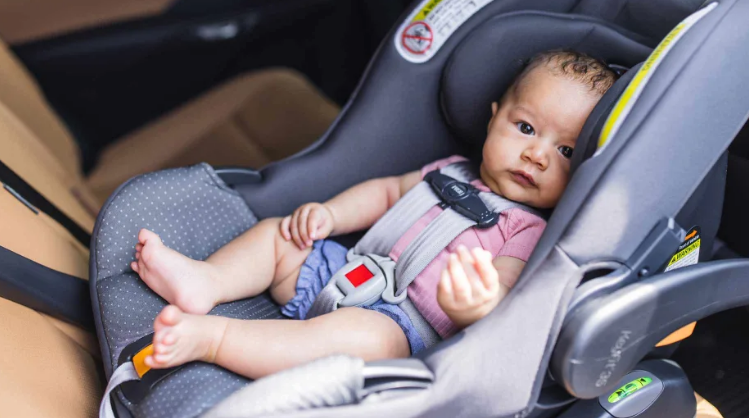
A baby car seat is more than a travel accessory; it is an essential safety tool for families on the move. Whether for a short drive, long road trip, or airplane journey, a properly installed car seat keeps your baby protected.
Travelling with infants and toddlers can be challenging, but a reliable car seat creates a secure environment and reduces the risk of sudden stops, accidents, or unexpected movements.
Safety is only one reason a baby car seat is crucial. It also brings parents peace of mind, letting them focus on driving or other travel needs without constant worry.
Knowing your baby is secure allows for a calmer, more enjoyable journey for both parent and child. Families who prioritise car seat use often find that overall travel stress is reduced.
In addition to safety and peace of mind, a baby car seat enhances comfort, convenience, and long-term health benefits for your child.
Modern car seats are designed with ergonomics in mind, offering support for the head, neck, and spine, along with features like padded inserts and adjustable positions. These benefits make car seats an indispensable travel companion for any family seeking to combine safety, comfort, and convenience on the road or in the air.
1. Enhanced Safety During Travel
1.1 Protection in Vehicles
One of the most important benefits of a baby car seat is the protection it provides during car travel. Infants and toddlers are vulnerable in vehicles, and standard seat belts do not fit their small bodies.
Baby car seats are engineered to absorb the impact from sudden stops or collisions, greatly reducing the risk of injury.
According to the National Highway Traffic Safety Administration (NHTSA), car seats decrease the risk of fatal injury for infants by up to 71%. proper position during family travel. Without a car seat, babies can slide, tumble, or be thrown forward during sudden braking.
A securely installed car seat holds them in place, reducing the likelihood of internal injuries, head trauma, or broken bones. This protection is critical for parents travelling in heavy traffic or on highways, where sudden accidents can happen without warning.
Using a car seat also teaches young children to stay in a safe position during rides.
Even without accidents, proper restraint prevents minor injuries from bumps, sharp turns, or uneven roads. Over time, children get used to sitting safely, making travel less stressful for both the baby and the parents.
1.2 Air Travel Safety
Baby car seats are also essential for air travel. FAA-approved seats can be installed on airplane seats to secure your child during takeoff, landing, and turbulence.
This reduces sudden movement and keeps your baby safe in a moving environment where conventional airplane restraints are often inadequate for infants. Parents who travel frequently by air find that a familiar car seat helps their child feel comfortable and secure.
Air travel can be disorienting for young children, and turbulence or cabin movement can be frightening. A car seat provides a consistent, enclosed space that helps babies stay calm during the flight. This is especially important for infants who are sensitive to changes in their surroundings or to unfamiliar noise and motion.
Moreover, having a dedicated car seat ensures compliance with airline safety policies. Many airlines recommend or require FAA-approved seats, and using one allows parents to focus on travel logistics rather than worrying about whether their child is safely secured.
1.3 Peace of Mind for Parents
Knowing that your baby is secure in a car seat reduces parental stress. Knowing your baby is secure in a car seat reduces parental stress.
Parents do not need to constantly monitor their child or worry about sudden stops, turns, or accidents. This peace of mind lets them focus on safe driving or navigating airports, taxis, or public transportation.r journeys, where fatigue or distractions can increase the risk of accidents.
When parents know that their child is properly restrained, they can relax and enjoy the travel experience more fully.
Using a baby car seat reinforces good travel habits from an early age.
Children learn to sit safely and get used to staying in their seats, reducing disruptions on future trips and promoting a safe travel routine.
2. Legal Compliance and Travel Regulations
2.1 Road Safety Laws
Most countries and states have strict laws requiring children to be secured in a car seat appropriate for their age, weight, and height.
Parents who fail to comply with these regulations risk fines, penalties, or even legal consequences in the event of an accident. Using a baby car seat ensures your child’s safety and that you are following the law, protecting your family from unnecessary complications.
Legal requirements also vary by child’s age and vehicle type. Rear-facing seats are recommended for infants, while convertible or forward-facing seats may be needed as the child grows.
Understanding these regulations can be overwhelming for travelling families, but investing in a certified car seat simplifies compliance and reduces stress.
Moreover, compliance with safety laws can have long-term benefits.
Children who travel safely are less likely to suffer injuries, and parents avoid legal entanglements that can complicate emergency situations. This benefit emphasises that car seats are not optional—they are essential for responsible travel.
2.2 Airline Policies
Airlines have specific rules regarding the use of car seats for infants and toddlers. While some allow infants to travel on a parent’s lap, FAA-approved car seats are often recommended or required for children under a certain weight.
A dedicated baby car seat ensures your child is properly secured during the flight and provides parents with peace of mind as they navigate unfamiliar air travel regulations.
Having a baby car seat that meets airline standards can also streamline boarding and seating. Parents can install the seat on the plane without needing additional equipment, reducing stress during check-in and takeoff. This convenience is particularly valuable when travelling with multiple children or large amounts of luggage.
Finally, airline-approved car seats contribute to consistent safety practices. Families can use the same seat in cars, taxis, and aeroplanes, creating a seamless travel routine that keeps children safe across all modes of transportation.
3. Comfort and Ergonomics for Babies
3.1 Proper Posture Support
Baby car seats support the natural curvature of an infant’s spine, aligning the head, neck, and torso. This is important for young infants whose muscles are still developing.
Without this support, babies may slump, leading to discomfort and even breathing difficulties during long family trips.
Adjustable recline positions let babies nap comfortably during car rides, reducing fussiness and ensuring a smooth journey. The ergonomic design also supports toddlers as they grow, helping them maintain proper posture while travelling. This is especially important during long trips or in cars with less cushioned seating.
A well-fitted car seat also reduces strain on developing muscles. Proper padding and harness positioning prevent pressure points and discomfort, keeping your baby calm and secure, even on bumpy roads or long flights.
3.2 Reduced Fussiness
Comfortable car seats help babies stay relaxed during travel. Many seats are padded and cushioned to reduce movement and minimise crying, fussiness, and agitation. When babies are comfortable, parents can focus on driving or managing other parts of the trip without constant interruptions.
Infants are sensitive to jostling, temperature changes, and sudden movement. Car seats absorb shocks and stabilise the child, reducing stress for both baby and parent. Calm babies also create a more pleasant environment for siblings or other passengers.
Consistent use of a comfortable seat encourages babies to sit calmly during travel. They get used to being restrained, which helps develop positive travel habits and makes future family trips less stressful.
3.3 Temperature and Padding
Many modern car seats have breathable fabrics and cushioned padding to regulate temperature and provide comfort. This is especially important during long journeys or in extreme weather, whether hot or cold.
Removable and washable covers help parents maintain hygiene and keep the baby comfortable. This ensures travel is not unpleasant due to discomfort or overheating.
The combination of padding, proper recline, and breathable materials supports overall comfort, helping infants stay relaxed and healthy throughout the trip.
4. Convenience for Parents
4.1 Easy Transport During Family Vacations
Many baby car seats are part of travel systems, allowing parents to easily transfer their child from car to stroller. This eliminates the need to carry multiple bulky items, which is especially helpful for airport travel or road trips with multiple stops.
Lightweight and convertible car seats can be easily installed in taxis, rideshares, or rental vehicles. Parents save time and energy, allowing them to focus on travel logistics rather than juggling equipment.
Moreover, portable car seats can double as napping or resting stations during travel breaks. This versatility makes them a practical tool for busy travelling families.
Transitions between different modes of transport. Quick-release harnesses, adjustable straps, and lightweight designs make it easier to move the baby safely between vehicles.
A consistent routine also reduces stress for the baby. Infants become accustomed to a consistent, secure space, which can improve behaviour and make transitions smoother.
Simplified time and reduced frustration, letting parents travel without feeling overwhelmed by logistics.
4.3 Multi-purpose Use
Some car seats are designed for multifunctional use, doubling as high chairs, portable sleepers, or cushioned travel stations. This is especially for parents staying in hotels, visiting family, or camping with their family.
Aat that serves multiple purposes reduces the need for extra baby equipment and simplifies travel preparation.
These versatile car seats make travel less stressful and more efficient, allowing families to focus on experiences rather than on equipment management.
Frequently Asked Questions About Baby Car Seats
1. What type of baby car seat is best for my child’s age and size?
The best car seat depends on your child’s age, weight, and height. Infants (0–12 months) should use rear-facing car seats, which provide maximum protection for the head, neck, and spine. Toddlers (1–4 years) can use convertible seats that switch from rear-facing to forward-facing as they grow. Older children (4+ years) may transition to booster seats until they are tall enough for a seat belt alone. Always check the manufacturer’s specifications to ensure your child fits safely in the chosen seat.
2. How long should my baby stay in a rear-facing car seat?
Experts recommend keeping children rear-facing as long as possible, usually until they reach the maximum weight or height allowed by the car seat manufacturer. Rear-facing baby car seats provide superior protection in a crash by distributing forces across the baby’s back, which is safer for their developing neck and spine. Many convertible baby car seats allow children to remain rear-facing until 40–50 pounds, which is often past age 3 or 4.
3. Are all car seats compatible with airplanes?
Not all car seats can be used on airplanes. Only FAA-approved seats can be safely installed in an airplane seat. Look for a label that says “This restraint is certified for use in motor vehicles and aircraft.” Using a car seat on a flight ensures your baby is securely restrained during takeoff, landing, and turbulence. It also gives your child a familiar space, which can reduce stress and fussiness during the flight.
4. How do I know if a car seat is safe and reliable?
Always check for safety certifications from organisations like NHTSA (for the U.S.) or other regional safety authorities. Look for crash test ratings, proper harness systems, and sturdy construction. Avoid second-hand car seats unless you know the full history; older or previously involved-in-accident seats may have unseen damage that compromises safety. Manufacturers also provide expiration dates, typically 6–10 years after production, which should never be ignored.
5. Can I use the same car seat in multiple cars or with a stroller?
Yes, many car seats are designed to be portable and compatible with strollers or travel systems. This is convenient for families who frequently switch vehicles or need to move the baby without waking them. When using the same seat in multiple cars, ensure it can be securely installed each time, using either the seat belt or LATCH system. Always follow the manufacturer’s installation instructions to maintain safety.
6. How do I make sure my baby is comfortable in the car seat?
Comfort is essential for longer trips. Look for seats with adjustable recline positions, padded inserts, and breathable fabrics. Ensure the harness fits snugly but does not pinch, and the seat supports the baby’s head and neck properly. Some car seats also offer removable covers for washing, which helps maintain hygiene. Regularly check your baby during travel to ensure they remain in a comfortable and safe position.
Conclusion
Investing in a baby car seat is one of the most important decisions for any travelling family. From enhanced safety to comfort, legal compliance, and convenience, car seats protect children while reducing parents’ stress.
Beyond immediate travel benefits, car seats support healthy development, foster calm travel routines, and teach children safe habits from an early age.
When choosing a car seat, consider your child’s age, weight, and height, as well as airline and road safety standards. Look for FAA or NHTSA-approved models with ergonomic design, multi-purpose features, and ease of use.
Ultimately, a baby car seat is more than a travel accessory; it is a vital investment in your child’s safety, comfort, and well-being. Families who prioritise this essential tool can enjoy journeys with confidence, knowing their little one is protected every step of the way.
Leave a Reply Cancel reply