
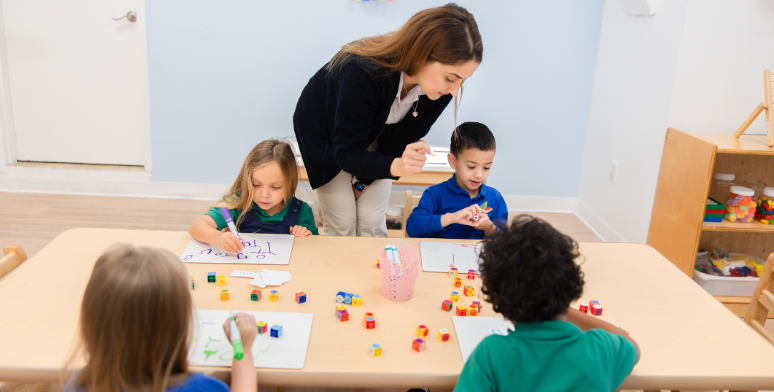
Choosing the right educational toys for kids can feel overwhelming, but it’s worth it. Educational toys aren’t just fun; they help children learn and grow in meaningful ways.
From boosting problem-solving skills to sparking creativity, the right learning toys support cognitive development at every stage.
Developmental toys encourage exploration, curiosity, and hands-on learning. STEM toys for kids introduce concepts in science, technology, engineering, and math while keeping playtime exciting.
Picking toys that combine fun with learning sets your child up for confidence and growth.
What Are Educational Toys?
Educational toys do more than entertain. They help children explore, think, and solve problems while having fun. These toys can take many forms, from building blocks and puzzles to science kits and interactive games.
At their core, educational toys support cognitive development.
They challenge kids to use logic, memory, and creativity. Developmental playthings help children practice skills like coordination, focus, and problem-solving without feeling like “work.”
Interactive educational toys take this a step further.
They engage multiple senses, encouraging hands-on learning and exploration. Whether it’s stacking shapes, experimenting with magnets, or coding a simple robot, these toys make learning playful and memorable.
Choosing the right educational toy means looking for one that balances fun with meaningful learning. When kids enjoy what they’re doing, their curiosity and skills naturally grow.
Related Read: 9 Screen Time Management Strategies For Young Parents
Benefits of Educational For child Development
Cognitive Growth and Problem-Solving Skills
A major advantage of educational toys is their support for cognitive development. Skill-building toys, such as puzzles, building blocks, and memory games, help children think critically and develop problem-solving skills. Each challenge encourages them to analyse, plan, and find solutions independently.
Learning toys provide a safe way for kids to experiment. When a block tower falls, or a puzzle piece doesn’t fit, children learn to adapt and try again. This trial-and-error process builds resilience and sharpens their reasoning skills.
Even simple toys often make a big difference. Matching games, pattern boards, and stacking sets stimulate the brain while keeping play fun.
Over time, these small exercises strengthen memory, focus, and logical thinking, giving children a foundation for later learning. Development toys are especially helpful in the early years when the brain is most receptive. By providing varied challenges, these toys help children develop versatile thinking skills that apply both during and outside playtime.
Interactive educational toys also engage multiple senses, which further enhances learning. Kids who touch, move, and manipulate objects absorb lessons more effectively than through passive activities.
Emotional and Social Development
Educational toys don’t just build brains; they also nurture emotions and social skills. Playing with others helps children learn communication, cooperation, and empathy.
Skill-building toys often require teamwork, sharing, and turn-taking, which strengthens social bonds.
Solo play also promotes emotional growth. When children tackle challenges on their own, they develop confidence and independence. Overcoming obstacles with toys teaches resilience and patience, helping kids handle frustration in real-life situations.
Role-play toys and interactive sets are especially powerful for social learning. Pretending to be a doctor, teacher, or chef allows children to explore emotions, understand perspectives, and practice expressing themselves.
Emotional regulation is another key benefit. Kids learn to manage disappointment when a tower falls or excitement when a puzzle is completed.
Educational play benefits emotional growth by giving children opportunities to experience, recognise, and control their feelings.
For young children, this mix of social and emotional learning builds a foundation for healthy relationships. Toys become more than playthings; they become tools for understanding the world and others.
Related Read: 11 Scree Free Activities For Kids
Top Educational Toys for Toddlers (Ages 1–3)
Toddlers are at a stage where hands-on exploration is key. The right toys help them develop motor skills, coordination, and early problem-solving abilities.
Early learning toys should combine fun with developmental benefits, engaging multiple senses and making play a stepping stone for lifelong skills. help toddlers practice balance, hand-eye coordination, and spatial awareness.
Stacking rings encourages problem-solving and concentration in a fun, hands-on way.
Colourful Building Cubes
Simple building cubes let toddlers explore shapes and colours while developing fine motor skills. They can stack, sort, and create structures, which strengthens logical thinking.
Mini Xylophones and Shakers
Musical toys support auditory learning and rhythm recognition. Shakers, tambourines, and xylophones teach cause-and-effect and stimulate memory and pattern recognition.
Chunky Animal Puzzles and Nesting Cups
Interactive toys for toddlers, like puzzles and nesting cups, encourage focus and early problem-solving. They also enhance hand-eye coordination and teach shape and colour recognition.
Soft Activity Cubes and Textured Balls
These sensory toys engage multiple senses. Soft cubes and balls promote tactile exploration, motor skills, and curiosity through interactive play. For Preschoolers (Ages 3–5)
Preschoolers are ready for toys that expand their thinking and creativity. A variety of preschool learning toys helps develop cognitive, social, and emotional skills. STEM kits, literacy tools, and role-play sets make playtime both fun and educational.
Beginner Science Kits
These STEM educational toys let preschoolers explore basic science concepts safely. They encourage experimentation, observation, and problem-solving.
Magnetic Building Sets
Magnetic tiles or blocks teach engineering concepts and spatial reasoning. These interactive toys for preschoolers are excellent for building creativity and logical thinking.
Letter Magnets and Number Puzzles
Literacy toys for preschoolers support early reading and math skills. Matching letters and numbers or arranging sequences makes learning playful and engaging.
Dress-Up Costumes and Pretend Kitchens
Role-play toys encourage social and emotional growth. Preschoolers can practice cooperation, empathy, and communication while immersing themselves in imaginative scenarios.
Animal Figurine Sets and Interactive Storybooks
These toys enhance creativity, storytelling, and vocabulary. They combine learning with imaginative play, helping children develop confidence and curiosity.
Educational Toys for School-Age Kids (Ages 6–12)
School-age kids need toys that challenge their minds and encourage creativity. A mix of STEM kits, strategy games, and art sets develops critical thinking, problem-solving, and imagination while keeping play engaging.
Related Read: Best Compact Stroller For Tall Parents
Programmable Robots and Robotics Kits
Educational STEM toys, like robotics sets, teach coding, engineering, and problem-solving through hands-on activities. These toys build confidence in technical skills.
Chess and Strategy Board Games
Critical thinking toys such as chess, memory games, and logic puzzles develop planning, decision-making, and strategic thinking. They keep kids mentally engaged while having fun.
Painting Sets and Clay Modelling Kits
Creative educational toys inspire imagination and self-expression. Art kits let children explore colours, textures, and creative ideas, enhancing confidence and problem-solving skills.
3D Building Sets and Engineering Kits
These school-age learning toys challenge children to think spatially and experiment with design. They encourage hands-on learning and STEM skill development.
Math Challenge Games and Science Experiment Kits
Interactive educational toys, such as math puzzles or experiment kits, make abstract concepts concrete. They strengthen problem-solving, curiosity, and logical reasoning.
Choosing the Right Educational Toy for Your Child
Finding the right toy for your child can feel overwhelming, but it doesn’t have to be. Choosing educational toys wisely means considering your child’s age, interests, and skill level.
Age-appropriate learning toys challenge your child without causing frustration. It is also important to balance fun with learning objectives.
Skill-based educational toys should engage your child while helping them develop cognitive, social, or creative skills. When play is enjoyable, learning happens naturally, and your child stays motivated to explore.
Look for the best learning toys for their age that match your child’s curiosity and abilities. Whether it’s building blocks for toddlers, STEM kits for preschoolers, or strategy games for school-age kids, the right educational toy can make playtime both exciting and meaningful.
Observing your child during play helps you see what sparks their interest. By choosing educational toys that fit their personality and learning stage, you’re giving them tools to grow, explore, and enjoy learning every day.
How Parents Can Maximise Learning Through Play
Learning through play is most effective when parents get involved. Parent-guided educational toys give you a chance to engage with your child, ask questions, and encourage problem-solving. Even simple prompts, like “What happens if we stack it this way?” can spark curiosity and critical thinking.
Incorporating educational toys into daily routines makes learning feel natural. Interactive learning toys, such as puzzles, building sets, or art kits, can be part of morning play, snack time, or quiet evenings. Short, consistent sessions are more effective than long, occasional ones.
Educational play strategies include modelling behaviours and joining in the fun. Let your child experiment, make mistakes, and explore independently, but stay nearby to guide, celebrate successes, and gently redirect when needed.
When you are present and engaged, you turn ordinary playtime into meaningful learning experiences that build skills, confidence, and a love for discovery.
Frequently Asked Questions About Educational Toys
1. What makes a toy “educational”?
An educational toy is designed to teach children new skills while keeping play fun. It encourages problem-solving, creativity, motor development, and cognitive growth. These toys often have a clear learning purpose, like puzzles for logic or building sets for spatial skills. Even simple toys, like stacking blocks or shape sorters, help children explore and learn through hands-on experiences. The goal is to combine fun with meaningful skill-building.
2. At what age should I start using educational toys for my child?
You can introduce educational toys as early as infancy with simple sensory toys, soft blocks, or rattles. For toddlers aged 1–3, stacking toys, musical instruments, and shape-sorters are excellent for motor skills and early problem-solving. Preschoolers can benefit from counting games, role-play sets, and beginner STEM kits to support literacy, numeracy, and social skills. Age-appropriate learning toys ensure children are challenged at the right level without becoming frustrated. Choosing the right toy for their developmental stage helps them stay engaged and curious.
3. How can I choose the right educational toy for my child?
When choosing educational toys, consider your child’s age, interests, and current skill level. Look for toys that balance fun with learning objectives so play feels enjoyable, not like “work.” Skill-based educational toys, such as puzzles, STEM kits, or creative art sets, help children develop specific abilities while keeping them engaged. Observing how your child interacts with toys can guide future selections. The best toys are those that grow with your child and encourage exploration and curiosity.
4. Are STEM toys suitable for young children?
Yes, STEM educational toys can be tailored for preschoolers and school-age children. Simple science kits, magnetic building sets, and coding games introduce basic concepts in a hands-on and interactive way. These toys encourage curiosity, experimentation, and problem-solving, making abstract ideas easier to understand. Even toddlers can start exploring STEM concepts with cause-and-effect toys, stacking blocks, or water play experiments. STEM toys help children develop a love for learning while building critical thinking and creativity.
5. How can parents make the most of educational toys?
Parents can maximise learning by actively engaging with their children during play. Using parent-guided educational toys allows you to ask questions, model problem-solving, and celebrate achievements. Incorporating toys into daily routines, like building sets during morning play or puzzles at snack time, makes learning natural and consistent. Encourage your child to explore independently while offering guidance when needed. This approach turns ordinary playtime into meaningful learning experiences.
6. Do educational toys really improve learning skills?
Yes, educational toys are designed to support cognitive, social, and creative development. They help children develop problem-solving skills, focus, and emotional regulation while making learning fun. Toys like puzzles, STEM kits, and role-play sets offer hands-on experiences that reinforce concepts and build confidence. When combined with parent involvement, they encourage exploration and critical thinking. Over time, these toys can create lifelong learning habits and a love for discovery.
Related Read: 11 Negative Effects of Shame Based Parenting
Conclusion
Choosing the right educational toys for your child isn’t just about keeping them busy; it’s about supporting their growth, curiosity, and confidence.
From toddlers stacking blocks to school-age kids building robots, each toy provides opportunities to develop cognitive, social, and creative skills. By selecting age-appropriate learning toys that balance fun with skill-building, you help your child explore, experiment, and learn through play every day.
Involving yourself in playtime makes the experience even more valuable. Parent-guided educational and interactive learning toys help you encourage problem-solving, celebrate successes, and gently guide your child through challenges.
When you combine thoughtful toy choices with consistent engagement, you are not just giving your child a toy; you are giving them tools to grow, imagine, and thrive for years to come.
Leave a Reply Cancel reply