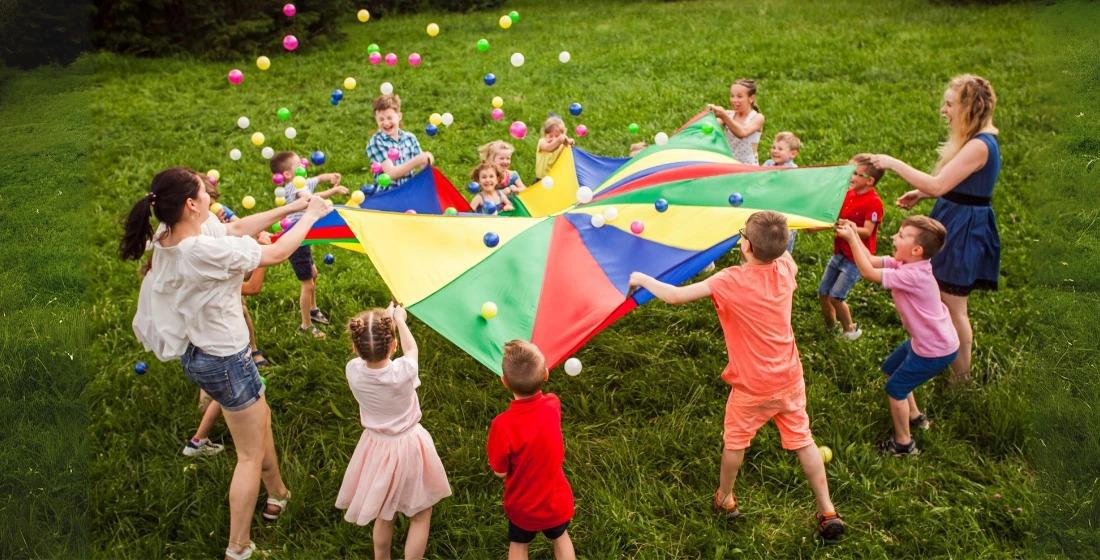
Outdoor learning activities give children the chance to explore, discover, and learn in ways that classrooms alone cannot. When kids step outside, they engage all their senses, connect with nature, and naturally develop curiosity.
These activities combine play with education, turning simple moments into meaningful learning experiences.
Spending time outdoors supports both mental and physical growth.
Children build problem-solving skills, boost creativity, and strengthen their bodies through movement and exploration. Outdoor learning also encourages teamwork, communication, and independence. Whether it’s a backyard garden or a walk in the park, nature provides endless opportunities for children to grow and learn.
As a parent, you can make outdoor learning fun and practical.
Simple games, hands-on experiments, and creative projects can transform ordinary outdoor time into educational adventures. This guide introduces 17 outdoor learning activities that help children learn science, art, math, and social skills while enjoying the fresh air. Each activity is easy to set up and designed to keep kids engaged and excited about learning outside.
Best Outdoor Learning Activities For Kids
1. Nature Scavenger Hunts
A nature scavenger hunt turns a simple walk into an adventure. Give your child a list of items to find: a red leaf, a smooth stone, or a feather. Encourage them to observe textures, colours, and shapes closely.
Scavenger hunts support observation skills, critical thinking, and attention to detail. You can even create themed hunts like “bugs and insects” or “autumn leaves.”
This is one of the easiest outdoor learning activities for children to start with, and it only requires a few minutes of preparation.
2. Gardening and Planting Projects
Gardening teaches children about growth, responsibility, and the natural world. You can plant seeds in small pots or a backyard garden. Let your kids water the plants, track growth, and notice changes over time.
Talk about sunlight, soil, and seasons while gardening. Activities like these offer hands-on science lessons and sensory experiences. Your children will also learn patience as they wait for seeds to sprout. Gardening is a favourite among outdoor educational activities for children because it blends science, responsibility, and fun.
3. Outdoor Art and Craft Projects
Bring art outdoors for a creative learning experience. Children can make leaf rubbings, paint rocks, or build collages from twigs and flowers. These activities enhance fine motor skills, imagination, and creativity.
Let them choose materials directly from nature. Outdoor art projects also connect children with their environment, making learning feel immediate and real. Crafting with natural materials is a flexible option for outdoor learning activities for children, adaptable for all ages.
4. Bug and Insect Exploration
Insects teach children about ecosystems, diversity, and respect for life. Go on a bug hunt using magnifying glasses or simple containers. Identify ladybugs, ants, or butterflies. Ask questions: “Why do you think ants work together?” or “What does this beetle eat?” Exploration strengthens observation and inquiry skills. It also helps children understand the balance of nature. Bug hunts are interactive and exciting, making them a top pick for outdoor science activities for children.
5. Weather Observation and Experiments
Learning about weather outdoors helps children connect science with the real world. Track rainfall, measure wind, and observe clouds.
Create simple experiments, such as building a rain gauge or predicting the weather from cloud patterns. Ask children to record what they see daily. These tasks improve scientific thinking and attention to detail.
Outdoor weather experiments are hands-on learning that make abstract concepts tangible. They are practical and enjoyable outdoor learning activities for children.
6. Outdoor Math and Measurement Games
Math doesn’t have to stay inside a classroom. Use sticks, rocks, and leaves to teach counting, measurement, and shapes.
Measure a tree’s height with simple tools or calculate how many steps it takes to cross the garden. Kids can sort objects by size or create patterns with stones.
Outdoor math activities link numbers to real-life situations, helping children better understand concepts. These games are active, fun, and among the most practical outdoor educational activities for children.
Outdoor learning activities don’t have to be limited to science or math. Kids can explore their imagination, senses, and social skills just as much as they can explore numbers and nature. By introducing storytelling, sensory play, and teamwork, you help children grow creatively and emotionally. Here are six more outdoor learning activities for children that keep learning active, fun, and hands-on.
7. Storytelling and Dramatic Play in Nature
Use the outdoors as a stage for imagination. Children can act out stories, pretend to be explorers, or create adventures among trees and rocks. Encourage them to make up characters, dialogues, and scenarios.
Storytelling outdoors boosts creativity, language skills, and confidence. It also strengthens social interaction when children play together. These imaginative outdoor learning activities for children turn ordinary surroundings into a world of endless possibilities.
Related Read: Best Educational Toys For Kids
8. Nature Walks and Sensory Exploration
Take a walk and notice every detail. Listen to birds, feel the bark of trees, smell flowers, and watch the wind move leaves. Ask questions like, “What does this smell remind you of?” or “How does this leaf feel?” Sensory exploration improves mindfulness, observational skills, and focus.
It also encourages children to connect with the natural world. Nature walks are simple, yet powerful, outdoor educational activities for children that support both learning and well-being.
9. Outdoor Music and Rhythm Activities
Music doesn’t need an indoor classroom. Encourage children to make rhythms with sticks, rocks, or even by stomping on the ground. Create simple songs inspired by nature sounds. Outdoor music activities help with coordination, auditory skills, and creativity.
They also make learning playful and interactive. These creative outdoor learning activities for children combine fun with skill-building in a natural setting.
10. Rock and Leaf Sorting Activities
Sorting rocks, leaves, and other natural items helps children develop classification, pattern recognition, and analytical thinking. Children can sort by size, shape, colour, or texture.
You can make it a friendly competition or a group challenge. Sorting helps children organise information and notice details. Rock and leaf sorting is one of the easiest outdoor learning activities for children to set up, yet it provides meaningful lessons in observation and categorisation.
11. Outdoor Team-Building Challenges
Teamwork comes naturally with outdoor challenges. Children can build simple shelters, solve group puzzles, or compete in relay races. These activities encourage communication, collaboration, and problem-solving. They also help children practice leadership and patience while working with peers.
Team-building challenges rank among outdoor educational activities for children that strengthen social skills while keeping energy levels high.
12. Water Play and Experiments
Water makes science tangible and fun. Children can explore floating and sinking, measure water flow, or even create mini dams. Ask them to predict outcomes and record results.
Water experiments teach cause-and-effect, physics, and observation skills. They are hands-on and engaging, perfect for active learners. Outdoor water activities are a refreshing way to combine science, play, and learning outdoors.
Related Read: Infant Car Seat Buying Guide For Young Parents
13. Outdoor Reading and Story Corners
Take storytime outside to mix literacy with nature. Set up a blanket under a tree and read aloud with your child. Let them bring their favourite books and discuss the stories. Outdoor reading helps improve focus, comprehension, and vocabulary. It also fosters a love of books in a fresh, stimulating environment.
Reading corners outdoors are simple yet powerful outdoor learning activities for children that combine learning with relaxation.
14. Animal Tracking and Observation
Children love observing animals, whether birds, squirrels, or insects. Teach them to look for footprints, nests, or behaviours. Ask questions like, “Why do birds fly in groups?” or “What might this squirrel be eating?” Tracking and observing wildlife strengthens patience, attention to detail, and curiosity.
It also encourages respect for animals and nature. Animal observation is one of the most engaging outdoor educational activities for children because it combines adventure with learning.
15. Outdoor Yoga and Mindfulness Exercises
Yoga and mindfulness exercises help children connect with their bodies and the environment. Simple poses, deep breathing, or stretching on the grass can calm restless minds. Mindfulness supports focus, emotional regulation, and stress relief. Outdoor yoga is a flexible, low-prep activity you can do anywhere.
Mindfulness and movement are excellent outdoor learning activities for children that boost well-being alongside physical coordination.
Related Read: Best Baby Car Seat Brands
16. Building and Engineering Projects
Encourage children to build structures with sticks, stones, or recycled materials. They can create bridges, towers, or mini shelters. This activity strengthens creativity, problem-solving, and spatial awareness. Kids also learn basic engineering concepts and teamwork if they collaborate.
Outdoor building projects are hands-on, practical, and among the most effective ways for children to naturally develop STEM skills.
17. Seasonal Exploration and Festivals
Celebrate the changing seasons with themed activities. Observe autumn leaves, collect spring flowers, or enjoy summer harvests. You can create simple festivals or seasonal crafts to mark events.
Seasonal exploration teaches children about nature, time, and cycles. It also adds excitement and variety to outdoor learning. Seasonal activities are versatile outdoor educational activities for children that combine science, culture, and creativity.
Frequently Asked Questions About Outdoor Learning Activities For Kids
1. What are outdoor learning activities, and why are they important for children?
Outdoor learning activities are educational experiences that take place outside the classroom, such as nature walks, gardening, scavenger hunts, or exploring local parks. They are important because they help children develop physical skills, creativity, and problem-solving abilities. Being outdoors also boosts mental health, reduces stress, and encourages curiosity about the natural world.
2. At what age can children start participating in outdoor learning activities?
Children can start outdoor learning activities as young as toddlers. Simple activities like playing in the sand, collecting leaves, or observing birds are perfect for little ones. As children grow older, activities can become more structured, such as nature-based science experiments, team games, or environmental projects. The key is to match the activity to the child’s age and abilities.
3. How do outdoor learning activities support academic development?
Outdoor learning encourages hands-on exploration, reinforcing classroom lessons in subjects such as science, math, and language. For example, counting leaves or measuring plants teaches math skills, while observing animals and plants improves science knowledge. Activities like storytelling around a campfire or describing a nature walk help children naturally develop language, reading, and communication skills.
4. What social skills can children develop through outdoor learning activities?
Outdoor learning often involves group activities where children must cooperate, share, and solve problems together. Activities like team scavenger hunts or outdoor project building teach collaboration, empathy, and conflict resolution. Children also learn patience, leadership, and the ability to work independently while still contributing to a group goal.
5. How can parents keep outdoor learning activities safe?
Safety is essential when children are outdoors. Parents and teachers should closely supervise activities, provide appropriate clothing for the weather, and teach children about potential hazards such as poisonous plants or uneven terrain. Using sunscreen, hats, and insect repellent, and ensuring children have access to water, are simple steps that make outdoor learning safe and enjoyable.
6. How can outdoor learning be incorporated into everyday life at home?
Parents can encourage outdoor learning at home by creating small projects or games in the yard or a nearby park. Activities like planting a mini garden, collecting and classifying leaves, or observing wildlife can be both fun and educational. Even short daily outdoor walks can include learning moments, such as discussing weather patterns, shapes in nature, or simple science experiments with water or soil.
Conclusion
Outdoor learning activities offer children a rich, engaging way to grow mentally, physically, and socially. From exploring insects to storytelling, water experiments, and seasonal festivals, these 17 activities turn outdoor time into valuable educational experiences.
Each activity supports curiosity, observation, creativity, and problem-solving while keeping children active and engaged.
As a parent, you don’t need elaborate tools or expensive supplies. A simple backyard, park, or nature trail can become a classroom. By regularly introducing outdoor learning activities for children, you help them develop lifelong skills, a love of nature, and the confidence to explore the world. The outdoors is full of lessons waiting to be discovered—let your children experience them fully.
Leave a Reply