
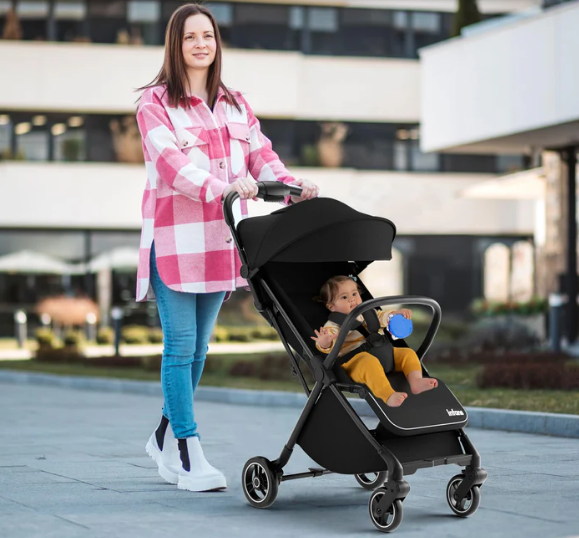
Choosing the right baby stroller is one of the most important decisions young parents make. A stroller is not just a convenience; it is a daily tool for mobility, safety, and comfort.
Many parents overlook a crucial detail: the baby stroller weight limit. Understanding a stroller’s weight capacity before buying ensures long-term usability, child safety, and value for money.
This guide explains everything you need to know about baby stroller weight limits, how they affect performance, and how to choose the best stroller for your family’s needs.
Why Baby Stroller Weight Limit Matters
The baby stroller weight limit refers to the maximum weight a stroller can safely carry. This includes the child’s weight and, in some cases, additional items stored in the stroller’s basket.
Manufacturers design weight limits to maintain structural integrity and prevent accidents.
Exceeding the recommended weight capacity can cause:
- Structural damage to the stroller frame
- Reduced maneuverability
- Wheel failure
- Increased risk of tipping
- Shortened lifespan of the stroller
A stroller is engineered for safety and stability within its weight capacity. Understanding these limits helps parents make informed decisions and avoid unnecessary risks.
Related Read: Best Family Travel Backpack For Young Parents
What Is a Baby Stroller Weight Limit?
The baby stroller weight limit is the manufacturer’s specification indicating how much weight the stroller can safely support. This limit varies across different models and stroller categories.
Key Features of Stroller Weight Capacity
- Defined by manufacturers for safety and durability
- Includes the child’s weight and sometimes storage weight
- Helps maintain proper balance and maneuverability
- Prevents mechanical failure and structural damage
- Varies by stroller type and design
For example, lightweight umbrella strollers often have lower weight limits compared to full-size or jogging strollers. Always check the manufacturer’s guidelines before purchasing.
Why Manufacturers Set Baby Stroller Weight Limits
Manufacturers establish the baby stroller weight limit based on engineering standards and safety regulations. These limits ensure the stroller remains stable and functional under normal use.
Engineering and Structural Integrity
Strollers are built using materials designed to support specific weight ranges. Exceeding these limits can weaken the frame, causing long-term damage.
Safety Considerations
Weight limits help prevent tipping and instability, reducing the risk of accidents. A stroller that carries more weight than recommended may become difficult to control.
Maneuverability and Performance
Heavier loads can impact steering and braking efficiency. Strollers designed within their weight capacity provide smoother movement and better handling.
Warranty and Product Lifespan
Using a stroller beyond its weight limit may void the manufacturer’s warranty. Proper use ensures the stroller lasts longer and performs as intended.
Related Read: Compare Convertible Baby Car Seat vs Infant Car Seat
Types of Baby Strollers and Their Typical Weight Limits
Different stroller types serve different purposes. Understanding their weight capacities helps parents choose the right model.
Umbrella Strollers
Umbrella strollers are lightweight and compact, making them ideal for travel and quick outings.
- baby stroller weight limit
- umbrella stroller weight capacity
- lightweight stroller capacity
- compact stroller limits
- portable stroller weight range
Typical weight limit: 15–40 lbs
Umbrella strollers are convenient but not suitable for heavier children or long-term use.
Travel Strollers
Travel strollers are designed for portability and airline-friendly convenience.
- travel stroller weight limit
- Family travel stroller capacity
- compact folding stroller limits
- portable travel stroller weight range
- lightweight travel stroller capacity
Typical weight limit: 40–55 lbs
These strollers balance portability and durability, making them ideal for young families on the go.
Full-Size Strollers
Full-size strollers offer greater durability and storage capacity.
- full-size stroller weight limit
- Everyday stroller capacity
- durable stroller weight range
- heavy-duty stroller limits
- long-term stroller usability
Typical weight limit: 50–70+ lbs
Full-size models are excellent for daily use and growing children.
Jogging Strollers
Jogging strollers are built for active parents who enjoy outdoor activities.
- jogging stroller weight limit
- running stroller capacity
- active parent stroller limits
- durable jogging stroller weight range
- performance stroller weight capacity
Typical weight limit: 50–75 lbs
These strollers provide stability and shock absorption for outdoor use.
Related Read: When Can A Baby Sit In Rear Facing Car Seat?
How To Check Baby Stroller Weight Before Buying One
Locate the Manufacturer’s Weight Limit Label
The first step in checking a stroller’s weight capacity is to look for the manufacturer’s weight specification label. This information is usually on the product tag, the user manual, or the brand’s website.
The weight limit shows the maximum load the stroller can safely support, including the child and sometimes extra items like diaper bags. Ignoring this limit can cause structural damage and compromise safety, so always verify it before purchase.
Consider Your Child’s Current and Future Weight
When evaluating a stroller’s weight limit, don’t just focus on your child’s current weight. Babies grow quickly, and a stroller with a low weight threshold may become unusable sooner than expected.
Choose a model with room for growth so you don’t need to replace it too soon. This ensures better value and sustained usability as your child develops.
Compare Weight Limits Across Models
Different strollers have varying weight capacities depending on their design. Lightweight travel strollers often have lower limits, while full-size or jogging models support heavier loads. Compare models and check specifications to ensure you choose one that matches your needs. If you plan family travel, prioritize models with higher limits for durability and flexibility.
A stroller’s weight limit is directly linked to its stability and safety. Exceeding the recommended capacity can make the stroller harder to maneuver and increase the risk of tipping.
Always select a stroller with a weight limit that accommodates your child and any accessories. This ensures a safer experience and long-term reliability for family outings and travel.
Consequences of Exceeding Baby Stroller Weight Limit
Structural Damage and Reduced Durability
Exceeding a baby stroller’s weight limit puts extra strain on its frame, wheels, and joints. Strollers are engineered to support a specific load, and exceeding that limit can cause bending, component loosening, or permanent structural failure. Over time, this reduces the stroller’s lifespan and may make it unsafe to use.
Even if damage is not immediately visible, hidden weaknesses can compromise performance during everyday outings.
Increased Safety Risks for the Child
A stroller overloaded beyond its weight limit becomes less stable and more prone to tipping. This is especially risky on uneven surfaces, ramps, or when turning corners.
Overweight loads can also affect braking and wheel alignment, making it harder to control the stroller. Such instability increases the risk of accidents that could injure the child or caregiver.
Difficulty in Maneuverability and Comfort
Strollers designed for speStrollers designed for specific weight ranges are optimized for smooth movement and easy handling. When overloaded, pushing and steering the stroller becomes harder, especially in crowded areas or on rough terrain.
The wheels may wear out faster, and suspension systems may fail to absorb shocks. This reduces the child’s comfort and increases the caregiver’s physical strain.
Most stroller manufacturers specify weight limits as part of their warranty conditions. Exceeding these limits may void the warranty, so repairs or replacements will not be covered. Structural damage from overloading often requires costly repairs or replacement of the stroller.
Following the weight guidelines protects your investment and ensures long-term usability for family travel and daily errands.
Common Mistakes To Avoid When Buying Baby Stroller
Buying a baby travel stroller is an important investment, yet many young parents make avoidable mistakes that compromise safety, comfort, and long-term usability. Understanding these pitfalls helps you choose a stroller that fits your family’s travel lifestyle and daily needs.
One common mistake is purchasing a stroller without confirming its weight and age specifications. Every stroller is designed for a particular weight range and developmental stage, and exceeding these limits can compromise safety and durability.
Some models are suitable only for infants, while others accommodate toddlers. Always verify that the stroller matches your child’s current and future growth to avoid early replacement.
Many parents focus on design and comfort but overlook how easy the stroller is to fold and transport. A travel stroller should be lightweight and compact enough for flights, road trips, and daily storage.
If it is bulky or hard to fold, it may become inconvenient during family trips. Testing the folding mechanism before purchase helps ensure smooth performance in real-world situations.
Prioritizing Style Over Safety Features
A stylish stroller may look attractive, but safety features should always come first. Essential safety elements include a secure harness system, stable wheels, and reliable brakes. Some buyers choose models with minimal safety components just because they appear modern. Checking safety certifications and user reviews helps ensure the stroller provides adequate protection for your child.
Some parents often forget to evaluate storage space and extra features that improve convenience. A stroller with a small storage basket may be inconvenient during outings, especially when carrying diapers, bottles, and personal items. Useful features include adjustable canopies for sun protection and cup holders for caregivers. Assessing these details ensures the stroller meets practical everyday needs.
Another mistake is buyinAnother mistake is buying the first stroller available without comparing prices and warranty terms.
Different brands offer varying levels of quality and after-sales support. A slightly more expensive model with a solid warranty may provide better long-term value than a cheaper one with limited coverage. Researching options and reading customer feedback helps you make an informed investment.
Frequently Asked Questions About Buying A Baby Stroller
1. What type of stroller is best for travel?
A compact and lightweight travel stroller is best for trips because it is easy to fold, carry, and store in small spaces. Look for models that meet airline carry-on requirements and feature durable wheels for various terrains. Travel strollers should balance portability with comfort so your child remains safe and relaxed during journeys.
2. How do I choose the right stroller weight limit?
Always check the manufacturer’s weight specification and select a stroller that accommodates your child’s current and future growth. A higher weight limit provides longer usability and prevents premature replacement. If you plan to use the stroller for several years, choosing a model with some extra capacity is a practical investment.
3. Are expensive strollers better than budget models?
A higher baby stroller price does not always guarantee better quality, but premium strollers often include enhanced safety features and durable materials. Budget models can be good options if they meet safety standards and your lifestyle needs. Compare specifications and customer reviews to ensure you get good value for your money.
4. What safety features should I prioritize?
A secure harness system, sturdy brakes, and stable wheels are essential safety features. The stroller should also have a reliable frame that does not wobble when in use. Additional features, such as adjustable canopies and shock-absorbing wheels, improve comfort and overall usability.
5. Can a stroller replace a baby carrier or diaper bag?
A stroller and a baby carrier serve different purposes and often complement each other. While strollers are great for longer walks, carriers provide hands-free mobility in crowded spaces. Many strollers also include storage baskets, but you may still need a separate diaper bag for essentials.
6. How do I maintain my stroller for long-term use?
Regular cleaning and maintenance extend the stroller’s lifespan. Wipe the frame, check the wheels for debris, and lubricate moving parts as needed. Always follow the manufacturer’s instructions for care and storage to prevent damage
and ensure continued safety.
Related Read: How To Choose The Best Baby Travel Stroller
Conclusion
Understanding a baby stroller’s weight limit before buying is essential for safety, durability, and long-term usability. A stroller is designed to support a specific load, and exceeding that limit can compromise structural integrity, stability, and maneuverability.
By choosing a model with the right weight capacity, you ensure your child stays safe and comfortable while protecting your investment.
Parents who check specifications and match them with their child’s growth will avoid unnecessary replacements and safety risks.
The right stroller choice goes beyond aesthetics or brand popularity. It involves practical considerations such as portability, comfort, and weight tolerance. A stroller that meets your family’s travel and daily needs will provide greater convenience and value.
Whether you use it for flights, road trips, or errands, choosing a model with a suitable weight limit ensures smooth functionality in different situations. This helps young parents make informed decisions that enhance mobility without compromising child safety.
Leave a Reply Cancel reply