
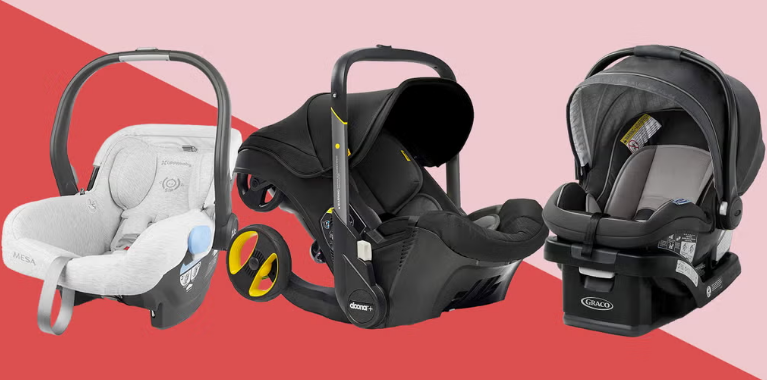
Baby car seat safety is one of the most important decisions you’ll make as a parent planning family travel.
Whether you’re preparing for a short trip across town or a long road journey to visit relatives, the car seat you choose will directly affect your child’s protection every time you drive.
With so many models, brands, and features, it’s easy to feel overwhelmed. Many parents make costly mistakes without realising it.
If you’re in a store aisle or scrolling through online reviews, wondering which seat is truly the safest and smartest choice, you’re not alone. Most buying mistakes are avoidable.
In this guide, I’ll walk you through the nine most common errors parents make when buying a baby car seat, and how you can avoid them with confidence.
Related: Best Baby Car Seat Brands In USA
Mistake #1: Choosing the Wrong Type of Car Seat for Your Child
One of the most common errors parents make is selecting a car seat based solely on age rather than height and weight.
There are several main types of seats:
- Infant car seats (rear-facing only)
- Convertible car seats (rear-facing and forward-facing)
- All-in-one seats (rear-facing, forward-facing, and booster modes)
- Booster seats (for older children)
Why This Becomes a Problem
- Age is not the best indicator. Two children of the same age can have very different heights and weights. Always check manufacturer limits.
- Harness height matters. A child may reach the top harness slot before hitting the weight limit.
- Premature upgrading reduces safety. Moving to the next stage too soon can increase the risk of injury in a crash.
When planning family travel, think beyond “what works today.” Consider how long the seat will fit your child while keeping them rear-facing as long as possible.
Mistake #2: Assuming All Car Seats Are Equally Safe
It’s true that all legally sold car seats must meet federal safety standards. But meeting minimum standards does not mean every seat performs identically in real-world crashes.
Key Differences You Should Pay Attention To
- Side-impact protection systems
- Energy-absorbing foam layers
- Steel-reinforced frames
- Stability features that reduce seat movement
Some seats are easier to install correctly, which dramatically increases real-world safety. A technically “safe” seat that’s frequently installed incorrectly becomes a risk.
As a parent preparing for road trips, you want more than minimum compliance. You want a seat that performs well, installs securely, and fits your vehicle.
Mistake #3: Buying Baby Car Seat Based on Price Alone
Price can be misleading.
The “Expensive Equals Safer” Myth
Higher price often reflects:
- Premium fabrics
- Brand recognition
- Added convenience features
- Marketing positioning
These extras do not automatically improve crash protection.
The “Cheapest Option Is Fine” Risk
Lower-priced seats may:
- It will be harder to install
- Have a limited rear-facing weight capacity
- Lacks user-friendly adjustments
If you’re planning frequent travel, ease of use is critical. A seat that’s frustrating to adjust or reinstall increases the chance of misuse.
Instead of focusing only on price, prioritise:
- Proper fit for your child
- Fit for your vehicle
- Ease of installation
- Rear-facing longevity
Mistake #4: Not Checking Vehicle Compatibility
Not every baby car seat fits every vehicle, and this surprises many parents.
If you drive a compact car, backseat space may be limited. If you drive an SUV, seat depth and angle can still affect installation.
What Can Go Wrong
- The seat may recline improperly.
- The front seats may need to be moved too far forward.
- Three-across configurations may not fit.
- LATCH anchors may be positioned awkwardly.
Before buying baby car seat, measure the space in your back seat and consult your vehicle’s manual. If possible, test the seat in your car before committing.
When packing for family travel, the last thing you want is to discover the seat doesn’t install securely the night before departure.
Mistake #5: Ignoring Ease of Installation
Installation errors are extremely common. Research shows high misuse rates among car seats. Some parents are more likely to:
- Leave it too loose
- Misroute the seat belt
- Set the wrong recline angle
- Position the harness incorrectly
Why Ease-of-Use Matters
A user-friendly design includes:
- Clear belt paths
- Audible clicks when secured
- Easy-to-read recline indicators
- Simple harness adjustments
When travelling, you may need to reinstall the seat in a rental car, a grandparent’s vehicle, or a rideshare. A seat that installs quickly and correctly reduces stress and improves safety.
Mistake #6: Moving to Forward-Facing Car Seat Too Soon
It’s common to feel pressure to turn your child forward-facing once their legs look cramped. But leg comfort is not a safety indicator.
Rear-facing positioning provides superior protection because it:
- Distributes crash forces across the back
- Supports the head and neck
- Protects the developing spine
Young children have relatively large heads and immature spinal structures. In a forward-facing position, a crash forces the neck to bear greater stress.
If you’re planning long family road trips, keeping your child rear-facing within manufacturer limits is one of the safest decisions you can make.
Mistake #7: Buying a Used Car Seat Without Verified History
A secondhand seat may seem like a cost-saving solution, but it carries serious risks.
Hidden Dangers
- Internal cracks may not be visible.
- The seat may have been involved in a crash.
- Parts may be missing or replaced incorrectly.
- The seat may have expired.
The only generally acceptable used seat is one from a trusted family member who can verify:
- No crash history
- All parts included
- Within the expiration date
Even then, confirm the model has no outstanding recalls.
Mistake #8: Ignoring Expiration Dates
Many parents are surprised to learn that car seats expire.
Why Do Car Seats Expire?
- Plastic weakens over time.
- Materials degrade with temperature changes.
- Safety standards evolve.
- Wear and tear affect performance.
Expiration periods usually range from 6–10 years, depending on the manufacturer.
If you plan to use the seat for multiple children, check the longevity carefully. Choosing a baby car seat that will expire before your child outgrows it can result in unexpected replacement costs.
Mistake #9: Prioritising Convenience Features Over Baby Car Seat Safety
Cup holders, extra padding, luxury fabrics, and sleek designs are appealing, especially when imagining a peaceful family trip.
However, these features do not replace core safety fundamentals.
What Actually Matters Most
- Proper harness fit
- Structural integrity
- Rear-facing capacity
- Secure installation
- Clear labelling and instructions
Convenience features are fine, but they should come after safety, not before.
Practical Checklist for Buying Baby Car Seat When Planning Family Travel
Before purchasing your baby car seat, walk through this simple framework:
- Measure your child’s height and weight.
- Review your vehicle’s manual for installation guidance.
- Shortlist 2–3 models that fit both child and car.
- Compare rear-facing weight limits.
- Evaluate ease-of-installation features.
- Check expiration date and longevity.
- Confirm return policy.
Taking these steps reduces stress and improves confidence, especially when preparing for long-distance family travel.
Frequently Asked Questions About Baby Car Seats
1. How do I know which baby car seat is right for my child?
The right seat depends on your child’s current height, weight, and developmental stage, not just age. Always check the manufacturer’s limits and ensure the harness fits properly at or below shoulder level for rear-facing use. If your child is still within rear-facing limits, that remains the safest position.
2. How long should my child stay rear-facing?
Your child should stay rear-facing as long as possible within the seat’s height and weight limits. Rear-facing provides better protection for the head, neck, and spine during a crash. Many modern baby car seats allow rear-facing use well into toddler years.
3. Can I use a baby car seat on an airplane?
Most infant and convertible car seats are FAA-approved for air travel, but you should confirm this by checking the seat’s label. Using your child’s own seat on a plane can provide better safety and comfort, especially during turbulence.
4. How tight should the harness be?
The harness should be snug enough that you cannot pinch any slack at the shoulder. This is often called the “pinch test.” The chest clip should sit at armpit level to keep the harness positioned correctly.
5. Is it safe to buy a used baby car seat?
It is only considered safe if you personally know and trust the previous owner, can confirm the seat has never been in a crash, and verify that it is not expired or missing parts. Otherwise, buying new is strongly recommended.
6. When should I replace a baby car seat?
Replace the seat if:
- It has been involved in a moderate or severe crash
- It has reached its expiration date
- It shows cracks or structural damage
- There is an unresolved safety recall
Always register your seat with the manufacturer so you’re notified about recalls.
Conclusion
Choosing the right baby car seat isn’t about picking the most popular brand or the one with the most features. It’s about making a thoughtful safety decision for every journey your family takes.
Whether you’re heading out for a quick grocery run or planning a long road trip, the protection your child has in the back seat matters more than convenience, style, or marketing claims.
By avoiding the nine common mistakes we discussed, from choosing the wrong seat type to moving forward-facing too soon, you reduce risk and increase peace of mind. Focus on proper fit for your child, compatibility with your vehicle, rear-facing longevity, and ease of correct installation.
Those fundamentals make the real difference.
Take your time before purchasing. Measure, compare, read the manual, and if possible, test the installation. When you buckle your child in for your next family trip, you’ll know you made a decision rooted in safety and confidence. That’s what responsible travel planning is about.
Leave a Reply Cancel reply