
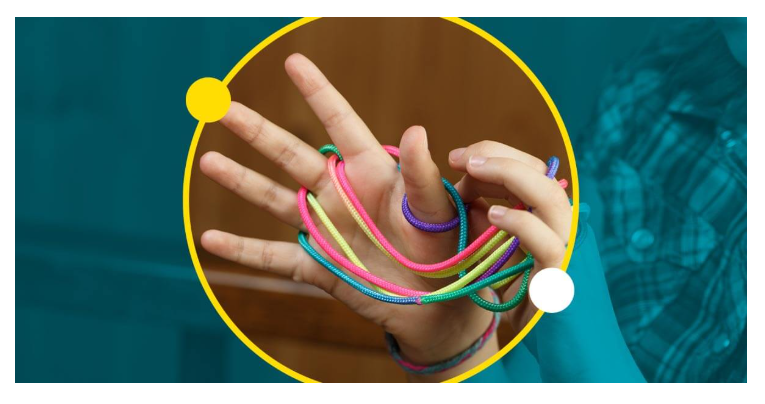
As a parent, it’s crucial to find activities that help develop your child’s fine motor skills.
Fine motor skills activities are exercises that help improve your child’s hand-eye coordination, dexterity, and control over small muscle movements.
These activities lay the foundation for later tasks like writing, drawing, and even self-care. Here are 17 fun and engaging activities for 5 to 7-year-olds that will help them strengthen these essential skills.
1. Lacing Beads
Lacing beads is an excellent way to work on hand-eye coordination and finger strength. It requires children to thread beads onto a string, which is not only fun but also improves their precision and focus.
To start, give your child a variety of colorful beads and a thick string or lace. Encourage them to create patterns or designs by stringing the beads in a specific order. This activity challenges them to hold the lace with both hands while focusing on threading each bead without skipping.
Related Read: Best Brain Development Toys For Toddlers
Recommended Products:
- Lacing Beads Set – A variety of colorful beads with different sizes and shapes.
- Wooden Bead Lacing Kit – Perfect for beginners with larger beads for easy handling.
- Plastic Beads Kit – A fun, colorful assortment of beads for endless pattern possibilities.
2. Cutting Paper
Using scissors to cut paper is one of the most effective ways to improve fine motor skills. It helps children strengthen the small muscles in their hands and fingers. All you need is a pair of child-safe scissors and some sheets of paper.
Start by giving your child simple lines to cut along. As they improve, you can challenge them with zigzag patterns or curved shapes. You can even turn it into a craft activity where they cut out shapes for a collage or paper animal.
Recommended Products:
- Child-Safe Scissors – Designed for little hands, these scissors ensure safety while cutting.
- Construction Paper – Bright and colorful paper that adds fun to the activity.
- Paper Craft Kit – Pre-designed shapes and patterns to cut out for crafts.
3. Playdough Creations
Playdough is a fantastic tool for building fine motor skills. It allows children to use their hands and fingers in various ways, whether they are rolling, squishing, or shaping the dough into different forms. The soft texture is perfect for strengthening tiny hand muscles.
Encourage your child to create animals, letters, or even their favorite characters with playdough. This activity not only helps with motor skills but also sparks creativity. Make it even more exciting by adding cookie cutters or plastic tools for additional texture.
Recommended Products:
- Non-Toxic Playdough – Safe and soft playdough in multiple colors.
- Playdough Tools Set – Includes rollers, cutters, and stamps to create detailed designs.
- Playdough Molds – Fun molds to create different shapes, animals, and objects.
4. Sticker Crafts
Stickers are a great way for young kids to develop their fine motor skills. Peeling stickers off their sheets and placing them onto paper helps improve hand strength, finger dexterity, and grip. Plus, it’s an easy and mess-free activity!
Give your child a variety of stickers and let them decorate a piece of paper, notebook, or even their backpack. You can make it more educational by using alphabet or number stickers for learning activities.
Recommended Products:
- Alphabet Stickers – Teach kids letters while they decorate with fun stickers.
- Animal Stickers – Colorful and fun for creative sticker activities.
- Puffy Stickers – These textured stickers provide a fun tactile experience.
5. Buttoning and Zipping
Buttoning and zipping are essential skills that children need to learn for self-care. You can make this a fun activity by using a button board or a toy with zippers.
Start with a simple button board, where your child can practice buttoning up different sizes of buttons. Then, move on to zipping up clothes or bags. This activity not only develops fine motor skills but also boosts independence as children learn to dress themselves.
Recommended Products:
- Button Board – A wooden board with different sized buttons to practice buttoning.
- Zippered Toy – A soft toy or backpack with multiple zippers for practice.
- Dress-Up Doll Set – Includes clothes with buttons and zippers for hands-on learning.
6. Building with Blocks
Building with blocks is a great way to develop spatial awareness and fine motor skills. Whether it’s stacking, arranging, or creating intricate designs, block play requires careful manipulation of each piece.
Encourage your child to build a tower, house, or even a castle with blocks. As they work, they will develop stronger hand and finger muscles, along with problem-solving skills.
Recommended Products:
- Wooden Building Blocks – Classic, sturdy blocks for creative play.
- LEGO Duplo Set – Larger blocks that are easier for small hands to manage.
- Mega Bloks Set – A bigger set of soft blocks perfect for building large structures.
7. Tracing and Drawing
Tracing shapes and drawing is a great way to help kids develop hand control. Provide them with worksheets that feature simple shapes, lines, or letters for them to trace with a pencil or crayon.
You can also encourage freehand drawing, where kids use their imagination to draw pictures. Both tracing and drawing strengthen the muscles in the hands, fingers, and wrists, improving their fine motor coordination.
Recommended Products:
- Tracing Worksheets – Printable worksheets with simple shapes and letters to trace.
- Crayons – Non-toxic and easy to grip for young children.
- Drawing Pad – A blank pad where kids can practice their drawing and tracing skills.
8. Puzzle Solving
Putting together jigsaw puzzles is another excellent activity for boosting fine motor skills. This activity requires kids to use their fingers and hands to align puzzle pieces correctly.
Start with large, easy puzzles and gradually introduce more pieces as your child’s skills grow. Encourage them to work independently, or solve puzzles together for a bonding experience.
Recommended Products:
- Wooden Puzzles – Simple, large pieces that are easier for small hands to handle.
- Puzzle Mat – Interlocking pieces that can be used to create different puzzles.
- Themed Jigsaw Puzzles – Fun puzzles with animals, shapes, or numbers to engage kids.
9. Finger Painting
Finger painting is a fun way to get creative while working on fine motor skills. It involves using fingers to apply paint, which strengthens hand muscles and improves tactile sensitivity.
Give your child a variety of colors and a large sheet of paper. Let them experiment with mixing colors and creating different designs using their hands. This also helps with sensory development.
Recommended Products:
- Non-Toxic Finger Paint – Safe and washable paint for kids.
- Finger Painting Kit – Includes brushes, rollers, and sponges for different painting techniques.
- Art Paper – Thick paper that’s perfect for finger painting without tearing.
10. Clay Sculpting
Clay sculpting is similar to playdough but requires more pressure and focus, making it a great fine motor skill activity. It encourages creativity while strengthening hand muscles.
Encourage your child to create animals, shapes, or even people with the clay. This activity allows them to work on both dexterity and imagination.
Recommended Products:
- Air-Dry Clay – A soft, malleable clay that can be molded and shaped easily.
- Sculpting Tools – Special tools to help with carving and shaping the clay.
- Clay Modelling Kit – A set that includes different colors of clay for fun creations.
11. Coloring
Coloring inside the lines helps children with fine motor control and enhances their ability to focus. All it takes is a coloring book and some crayons or markers.
Encourage your child to color specific sections of pictures or create their designs. You can challenge them to use different colors for various objects and teach them how to blend shades.
Recommended Products:
- Crayons – Easy-to-hold crayons perfect for little hands.
- Coloring Books – Fun and educational books with pictures to color.
- Washable Markers – Markers that are easy to clean, making the coloring experience mess-free.
12. Stringing Pasta
Stringing pasta is another creative way to enhance fine motor skills. It’s a simple yet fun activity where kids thread pasta pieces onto a string or lace.
You can add a creative twist by painting the pasta pieces with bright colors before stringing them, turning it into a craft project. This helps with coordination, patience, and precision.
Recommended Products:
- Colored Pasta – Pre-painted pasta pieces that are perfect for stringing.
- Lacing Strings – Strong, colorful strings designed for lacing activities.
- Craft Kit – Includes pasta, beads, and string to create personalized jewelry.
13. Button Sorting
Button sorting is a great activity for children to practice hand-eye coordination and sorting skills. By using a variety of buttons, kids can practice sorting them by size, color, or shape.
Provide a bowl full of different buttons and a set of containers for sorting. This activity helps kids develop their sorting skills, organization, and finger dexterity.
Recommended Products:
- Button Sorting Set – A collection of colorful buttons for sorting.
- Sorting Trays – Simple trays with compartments for organizing buttons.
- Craft Buttons – A variety of sizes and colors for added fun.
14. Threading Cards
Threading cards are a fun and educational activity that enhances fine motor control. By using a needle and thread, children can follow patterns and create designs on the cards.
These cards are often pre-punched with holes, allowing kids to easily thread the string through them, which strengthens their hand muscles and focus.
Recommended Products:
- Threading Card Kit – Includes cards with pre-punched holes and colorful thread.
- Plastic Needle Set – Safe, child-friendly needles designed for threading.
- Colorful Yarn – Soft and colorful yarn to use for threading through the cards.
15. Tying Shoelaces
Learning to tie shoelaces is an essential skill that requires hand-eye coordination and finger strength. Start by teaching your child with a larger shoelace, which is easier to handle.
Once they are comfortable with the basics, let them practice tying their shoes on their own. It’s a practical skill that boosts confidence and independence.
Recommended Products:
- Learning Laces – Laces designed to help children learn to tie shoes.
- Tying Aid – A tool that shows kids how to tie their shoes step by step.
- Colorful Shoelaces – Bright, fun laces that make learning to tie more engaging.
16. Building with Magnets
Magnetic blocks or tiles are another creative way to develop fine motor skills. These blocks stick together to create various shapes, structures, and even designs.
Encourage your child to build different structures or patterns. As they manipulate the pieces, they improve their dexterity and focus while having fun.
Recommended Products:
- Magnetic Building Blocks – A set of colorful magnetic tiles for building structures.
- Magnetic Shapes Set – Perfect for creating patterns and simple designs.
- Magnetic Tiles Set – Magnetic tiles that allow for endless creative possibilities.
17. Ripping Paper
Ripping paper is another fun way to engage your child’s fine motor skills. This simple activity strengthens their grip and hand muscles.
Give your child a piece of paper and let them rip it into small pieces or strips. You can turn this into a craft project by using the ripped paper to create collages.
Recommended Products:
- Tissue Paper – Soft and easy-to-rip paper in various colors.
- Craft Paper – Thin paper that’s easy to tear and use in craft projects.
- Ripping Art Kit – Pre-designed paper projects that require ripping and assembling.
These 17 fine motor skills activities will not only help your child develop essential skills but also provide hours of fun. Encourage them to try out different activities to see which ones they enjoy most. The more they practice, the better they’ll get at controlling their hand movements, setting them up for success in everyday tasks like writing, drawing, and even dressing themselves.
Related Read: How To Help Your Child Develop Fine Motor Skills
Frequently Asked Questions About Fine Motor Skills Activities
1. Why are fine motor skills important for my child?
Answer:
Fine motor skills are essential for a child’s ability to perform everyday tasks like holding a pencil, buttoning a shirt, or using utensils. These skills also help children with tasks that require coordination, such as drawing, writing, and crafting. Developing fine motor skills at a young age also supports cognitive growth and boosts independence as they learn to care for themselves.
2. What age is best to start fine motor skills activities?
Answer:
Fine motor skills activities can begin as early as 2 to 3 years old when children begin to develop better hand-eye coordination. However, the 5 to 7-year-old age range is ideal for more structured fine motor skill activities, as this is when children are building their dexterity and control. You can adapt activities to suit your child’s developmental stage for the best results.
3. How can I tell if my child needs more practice with fine motor skills?
Answer:
Signs that a child may need more practice with fine motor skills include difficulty with tasks like holding a pencil correctly, trouble with self-care tasks (such as zipping or buttoning), or frustration with activities like drawing, cutting, or manipulating small objects. If your child struggles with activities that require hand-eye coordination or has poor handwriting, it’s a good idea to introduce more fine motor skills exercises.
4. Are there simple fine motor skills activities I can do at home?
Answer:
Yes! Simple activities like coloring, drawing, stringing beads, cutting paper, or playing with playdough are all great for developing fine motor skills. These activities require hand and finger manipulation, which helps children strengthen their hand muscles and improve their dexterity. Even activities like sorting buttons or playing with puzzles can contribute to fine motor skill development.
5. What are some fun ways to engage my child in fine motor skills activities?
Answer:
You can make fine motor skills activities fun by turning them into games. For example, you can challenge your child to build a tower with blocks, create patterns with beads, or make artwork using scissors and glue. Adding a creative element like choosing colors, making shapes, or creating a craft project makes the activity more engaging. You can also turn daily tasks into opportunities for practice, like helping with meal prep (using utensils) or dressing themselves.
6. How can I help my child progress in fine motor skill activities?
Answer:
Encourage consistent practice and give your child a variety of materials to work with. Offer different sizes of objects (such as large and small beads) and gradually increase the difficulty of activities as they improve. Be patient and praise your child’s efforts. It’s also helpful to provide clear instructions and demonstrate tasks before asking them to try on their own. Keep the activities fun and engaging to maintain their interest while developing their skills.
Leave a Reply Cancel reply