
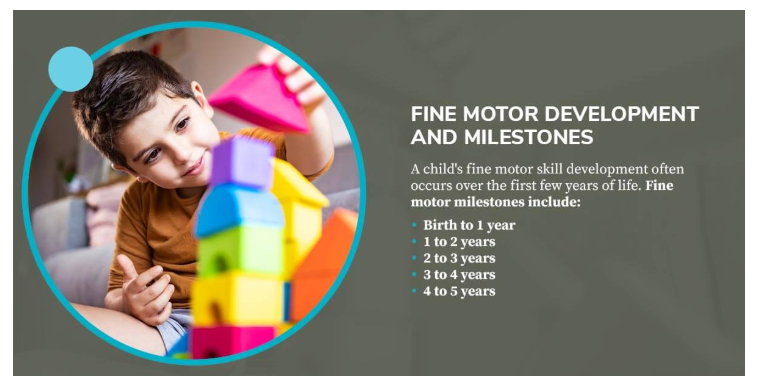
Fine motor skills are essential for toddlers as they set the foundation for numerous everyday tasks, like writing, drawing, and buttoning clothes.
These skills involve small muscle movements, typically in the hands and fingers. Helping your child develop fine motor skills is crucial for their growth and independence.
In this guide, we’ll dive into how to support your child’s development, why it’s important, and some of the best toys that can help with these skills.
Fine motor skills are key to a child’s overall development. These skills not only help with physical tasks but also play a major role in cognitive and social skills.
Toddlers need time and practice to develop hand-eye coordination, finger strength, and dexterity. Let’s explore how to encourage this important growth while making it fun for your little one.
It’s not just about playing—it’s about purposeful activities that challenge your child and allow them to practice using their hands and fingers effectively.
With the right tools and a bit of patience, your child can build these skills in no time. Read on to learn about the importance of fine motor skills and discover four fantastic toys to help your toddler thrive.
What Are Fine Motor Skills?
Fine motor skills are the small movements that allow a child to do tasks such as grasping a pencil, tying their shoes, or turning pages of a book.
They require the use of small muscles in the hands and fingers. These skills develop gradually over time, often starting from birth and continuing to improve as the child grows.
For toddlers, developing fine motor skills is a crucial step in gaining independence. Motor Skills like this allow children to complete tasks on their own, like feeding themselves, brushing their teeth, or getting dressed. Fine motor skills are also vital for later academic success, as they play a role in writing and drawing.
Fine motor skills involve both hand-eye coordination and finger strength. This means toddlers need to practice using their hands and eyes together.
Whether it’s stacking blocks or scribbling on paper, toddlers use these skills to interact with their environment and learn about the world around them.
Why Are Fine Motor Skills Important for Toddlers?
The development of fine motor skills in toddlers is vital for their independence and cognitive growth.
Sufficiently developed motor skills help children to manipulate objects, complete tasks, and explore the world around them. They also build the foundation for more advanced skills, such as learning to write and draw.
As toddlers learn how to control their hand movements, they also enhance their problem-solving abilities.
Whether they’re trying to fit a shape into a matching hole or simply picking up a small toy, these activities help them develop focus, concentration, and perseverance.
Additionally, developing fine motor skills gives toddlers a sense of accomplishment. When they can successfully complete a task, like buttoning a shirt or turning the pages of a book, it boosts their confidence and motivates them to take on new challenges.
Related Read: 15 Smart Baby Gadgets That Makes Parenting Easier
Proven Ways To Help Your Child Develop Fine Motor Skills
Recommended Fine Motor Skills Development Toys for Toddlers
Now that you understand the importance of fine motor skills, let’s take a look at some toys that can help your toddler develop these skills while having fun. These toys are designed to challenge your child’s hand-eye coordination, finger strength, and dexterity. Here are four of the best options.
1. Melissa & Doug Wooden Lacing Beads
The Melissa & Doug Wooden Lacing Beads is an excellent toy for helping toddlers develop their fine motor skills. This set includes a variety of colorful beads in different shapes and sizes, as well as a lace for threading the beads together. The toy encourages hand-eye coordination, as toddlers need to carefully pick up each bead and thread it onto the lace.
Pros:
- Simple and easy-to-use design, perfect for younger toddlers.
- A great way to develop hand-eye coordination and concentration.
- Beads come in various shapes and colors, enhancing learning.
- Can also help with sorting and color recognition.
Cons:
- Beads may be a bit small for toddlers under 2, so supervision is necessary.
- The lacing string may be difficult for some children to grip initially.
This toy is fantastic for improving fine motor skills, and as toddlers grow, they can start creating patterns with the beads, giving them a challenge to look forward to.
2. Fat Brain Toys Tobbles Neo
The Fat Brain Toys Tobbles Neo is a fantastic toy designed to help toddlers improve their fine motor skills and hand-eye coordination. The toy consists of colorful, stackable spheres that toddlers can balance and stack. The pieces are easy to hold and promote concentration as toddlers learn how to balance them without toppling over.
Pros:
- The bright colors and tactile feel of the spheres engage the senses.
- Encourages balance and problem-solving as toddlers figure out how to stack the pieces.
- Made from durable, non-toxic materials, making it safe for little ones.
- Perfect for toddlers of all ages, from 18 months onward.
Cons:
- The stacking challenge may be difficult for younger toddlers.
- Not many pieces in the set, which may limit extended play.
This toy is ideal for helping toddlers develop spatial awareness and problem-solving skills while practicing their hand-eye coordination.
3. VTech Pop-a-Balls Push and Pop Bulldozer
The VTech Pop-a-Balls Push and Pop Bulldozer is a fun and engaging toy that encourages fine motor skills development through play.
As toddlers push the bulldozer across the floor, the toy releases brightly colored balls that pop out, promoting interaction and motor movement.
Pros:
- Interactive, with fun popping action that keeps toddlers entertained.
- Encourages movement and activity, which is great for developing motor skills.
- Helps with grasping, pressing, and pushing actions.
- The bulldozer is easy to maneuver for young children.
Cons:
- Some toddlers may lose interest in the popping balls after a while.
- The toy is designed for younger toddlers, so older kids may find it less engaging.
This toy offers great value for promoting fine motor skills in toddlers and helps develop their ability to manipulate objects.
4. Hape Pound & Tap Bench with Slide Out Xylophone
The Hape Pound & Tap Bench with Slide Out Xylophone combines both musical and motor skills in one delightful toy. It features a brightly colored xylophone and a set of small mallets that toddlers can use to pound on the bench, causing the balls to drop onto the xylophone and create sounds.
Pros:
- A great combination of musical exploration and motor development.
- Helps develop hand-eye coordination as toddlers aim for the right spot to pound.
- Encourages rhythm and sound recognition as toddlers listen to the xylophone.
- Made from durable, eco-friendly wood, ensuring safety and long-term use.
Cons:
- The mallets are a little hard, so young toddlers may struggle to hold them properly at first.
- The toy might be less interesting once the novelty wears off.
This toy is a wonderful choice for toddlers to practice hand-eye coordination and fine motor skills while enjoying the joy of creating music.
Frequently Asked Questions About Fine Motor Skills For Toddlers
Conclusion
Supporting your child in developing fine motor skills doesn’t have to be a complicated process.
With the right fine motor skills toys and activities, you can help them build these essential skills in a fun and engaging way.
The Melissa & Doug Wooden Lacing Beads, Fat Brain Toys Tobbles Neo, VTech Pop-a-Balls Push and Pop Bulldozer, and Hape Pound & Tap Bench with Slide Out Xylophone are all excellent choices for encouraging your toddler’s development.
Each of these toys offers a unique way to enhance fine motor skills while providing hours of fun. So, pick up one (or more!) of these toys, and watch your child grow and thrive.
Leave a Reply Cancel reply